Enshrouded 1.0 review: My cousin and I already lost ourselves in this world. Now we want to do it again.
My cousin Jdog and I have played enough survival games together that we should probably be better at leaving the house.
We get into these games with every intention of making progress. There are places to explore, equipment upgrades to work toward, and some horrible thing somewhere that needs killing. Then we get involved in the base. Something needs expanding. We unlock something that would look good somewhere else. The perfectly functional place we built suddenly has several architectural problems that apparently cannot wait.
Enshrouded was dangerous for us during Early Access because it understood both sides of that relationship. It gave us an actual adventure to go on together, then handed us a building system capable of swallowing the time we were supposed to spend adventuring.
And now I’m looking at everything that has been added since those earlier sessions, through Early Access and into 1.0, and getting that familiar feeling again.
We need to go back.
First, the actual game review
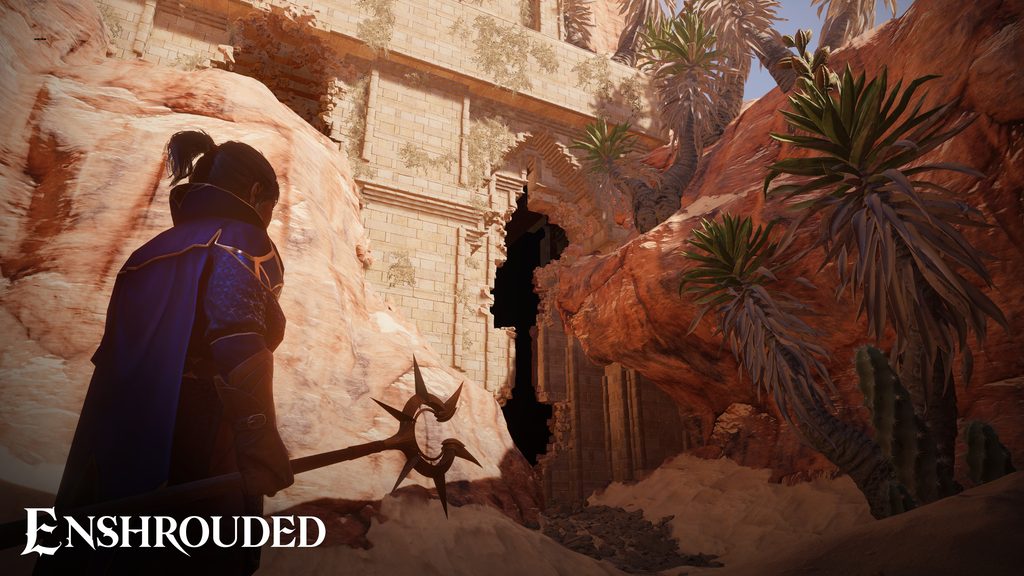
Enshrouded is an open-world action RPG with survival, crafting, and a frankly unreasonable amount of room to get distracted building. You explore Embervale, rescue survivors, unlock crafting options, improve your character, and gradually gain access to more dangerous places.
Coming from Valheim, the difference in emphasis matters. Valheim can turn preparation into the entire evening. Enshrouded gets moving faster. There’s more of an authored adventure pulling you through the world, with quests and locations giving you direction when you want it.
That was already something I liked in Early Access. In my earlier coverage, I praised its accessible start, building, and the way new survivors opened up crafting progression. Combat was fun, although I had reservations about its depth and the reliance on wands. The storytelling wasn’t doing enough for me either. craftingworlds.com
What kept it interesting for us was the combination. We could go out and accomplish something, bring the results home, and immediately find another reason to stay logged in. A game that can make both ends of that trip enjoyable has a much better chance of surviving in our rotation.
Early Access gave us a reason to hang out somewhere else
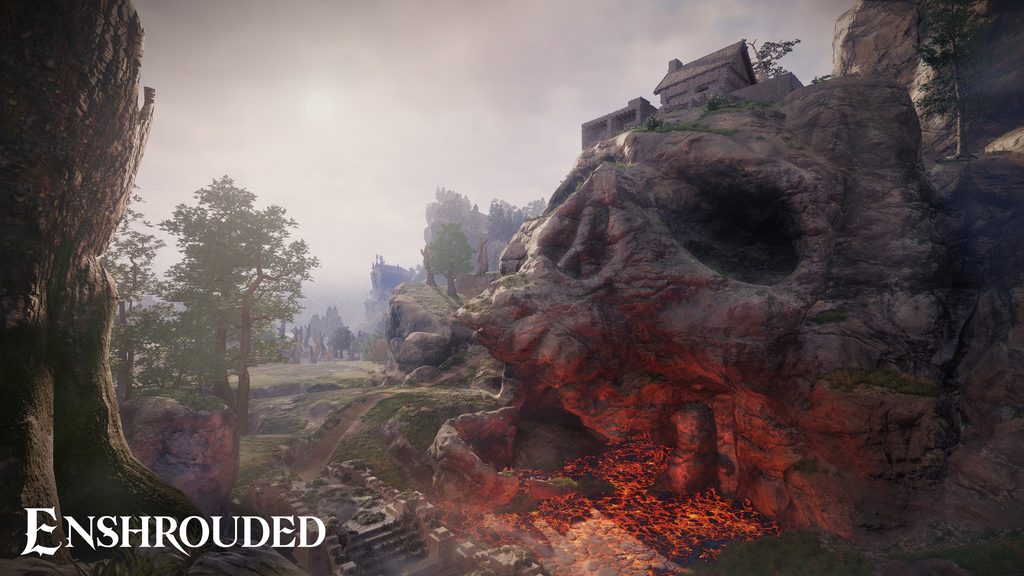
The thing I remember about playing these games with Justin is how easily the actual objective becomes background conversation. We’re still playing. We’re figuring things out and working toward something. But somewhere along the way we’re also talking about whatever happened that week.
That’s what I want from a shared world. Enough going on that we’re engaged, with enough breathing room that it doesn’t feel like we’ve scheduled a meeting with a combat system.
Our time in Enshrouded during Early Access gave us that mixture. There was the curiosity of learning another game together, comparing it with the others we’d played, and figuring out which parts we actually wanted to spend time on. Building stood out immediately. Exploring gave us reasons to leave it alone for a while.
I don’t want to turn those earlier sessions into some imaginary account of us having seen every update as it arrived. We haven’t. That’s part of what makes returning exciting. The Enshrouded we remember is now sitting underneath a much bigger game, and there’s a lot waiting for us that we haven’t exhausted.
I like having that ahead of us.
The housing is an entire hobby hiding inside the game
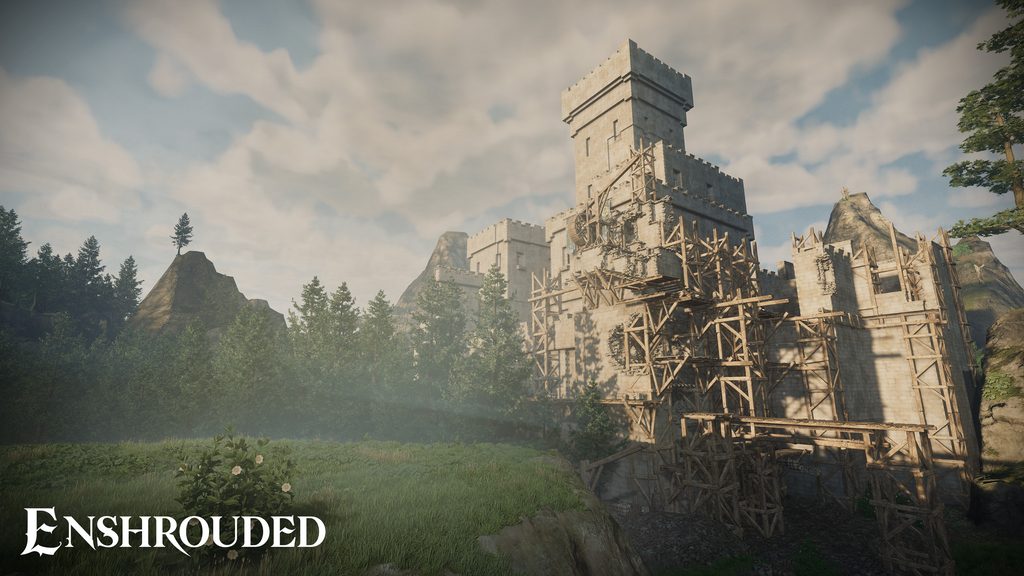
Calling this “base building” almost undersells what’s available. That phrase can mean placing a workbench beside six chests and putting a roof over the arrangement. Enshrouded lets you become much more particular than that.
The voxel system gives you control over the shape of a structure at a small scale. You can use larger building shapes to get something standing, then work on individual blocks to change the details. Terraforming lets the land become part of the design, too. A house can fit into a hillside rather than sitting awkwardly on top of it. You can think about the space beneath a structure, its approach, and how different elevations connect.
That changes the questions you ask while building. Instead of wondering which available piece comes closest to what you want, you start wondering how much time you’re willing to spend making it.
Unfortunately, I can become extremely unreasonable about that second question.
A recessed window has absolutely no bearing on whether we can defeat something later. Neither does the depth of a doorway. But once I can see how to improve something, leaving it alone becomes difficult. There’s a very specific satisfaction in walking around a structure and realizing it looks intentional from more than one angle.
Then you go inside and find another problem.
The tools added during Early Access pushed this further. First-person building makes tight spaces easier to work in. Decorative props gained rotation across multiple axes, although that freedom doesn’t apply to everything. There are tools for adding overgrowth and adjusting the ruined appearance of building edges. You can deliberately make something look old and reclaimed rather than simply unfinished.
I love that distinction. A ruined wall can belong in a design. Ivy can help a building settle into its surroundings. You can make a place feel as though it existed before you arrived, which suits Embervale far better than every settlement looking freshly unpacked from a construction menu.
This is where a game becomes dangerous for two people playing together. There is always something else that could look good. Another room makes sense. A courtyard would help. The workshop needs a better entrance.
We started with somewhere to put the crafting stations. How did we get involved in town planning?
It can become a settlement people actually live in
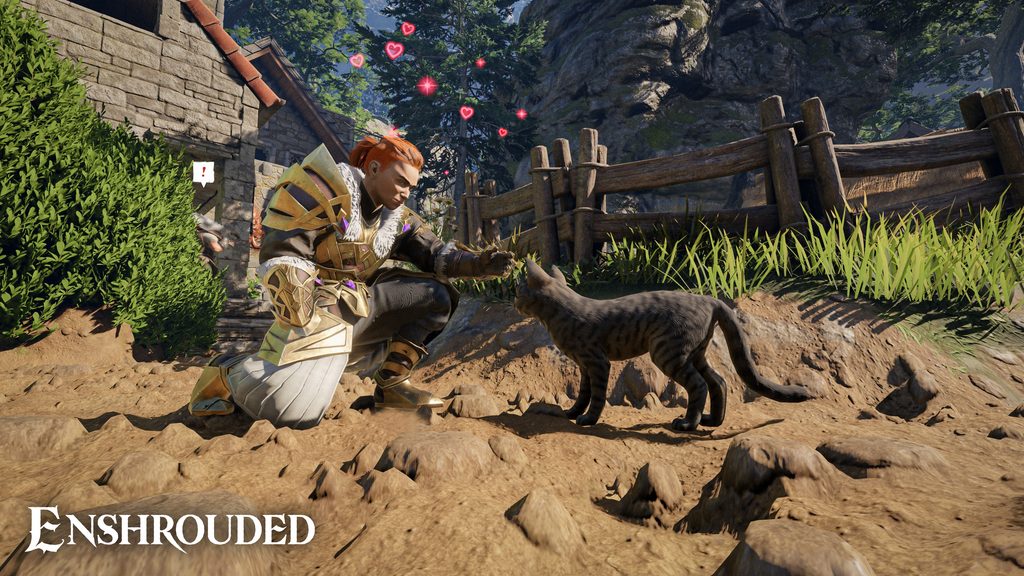
The additions to housing haven’t all been about construction. Early Access brought roaming townsfolk, day and night routines, farm animals, and pets. Crafting survivors can move around the base and go to bed, while animals need food and shelter.
That makes the spaces you build feel more useful. A spare room can have someone in it. A farm has activity. Coming home can mean returning to a little settlement rather than an unusually attractive row of menus.
For me, that gives decorating more purpose. I’m more inclined to care about a room if someone is going to use it. It also makes expanding feel like a natural part of rescuing people and rebuilding, instead of something completely separate from the adventure.
And yes, adding pets to a game where we’re already vulnerable to getting distracted is an effective strategy. Very unfair. Clearly successful.
Then they added water we can actually mess with
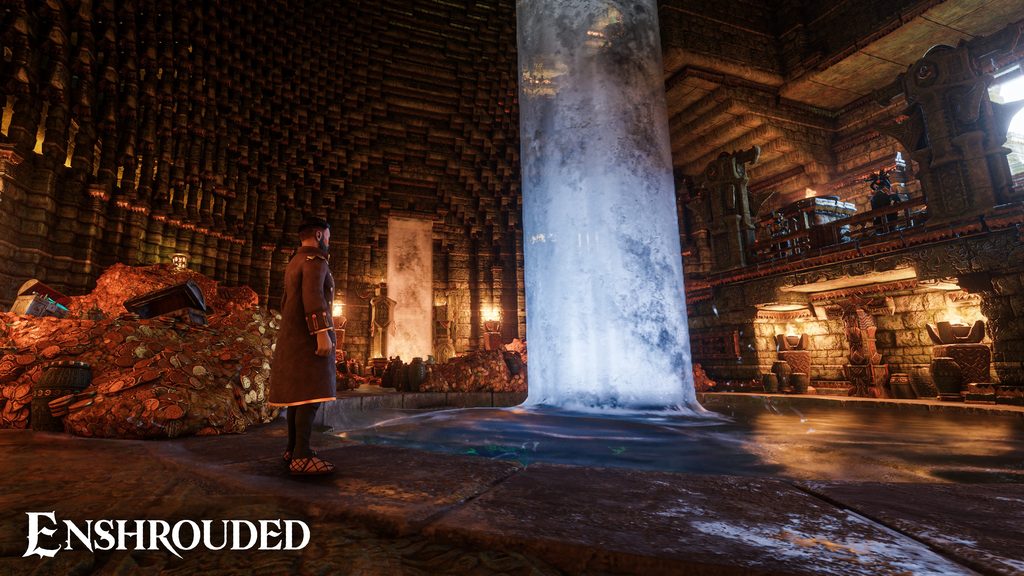
This is one of the biggest reasons the game now looks so different from its earlier version.
Wake of the Water introduced simulated water during Early Access. You can redirect its flow and create canals, with tools for adding, removing, and transporting it. Water gates control flow, and water wheels can power crafting factories. Those changes persist within protected base areas.
Think about what that does to building. A garden can have a water feature you’ve actually routed through it. A workshop can influence how you lay out a channel. Elevation and containment become things to experiment with.
This is exactly the sort of system I want to get into with Justin. We already know how much time we can spend adjusting a normal building. Now the game is giving us a reason to discuss where water should go.
I can see an entire evening disappearing into testing whether an idea works, making an adjustment, and discovering that the adjustment had consequences elsewhere. That’s the appeal of a simulation you can interfere with. You get to learn by touching things, and sometimes the lesson is that you should have finished the wall first.
Keen even included an option at the Flame Altar to remove water from a base after an accidental flood. I appreciate a developer anticipating the quality of our engineering.
There’s much more world around the house now
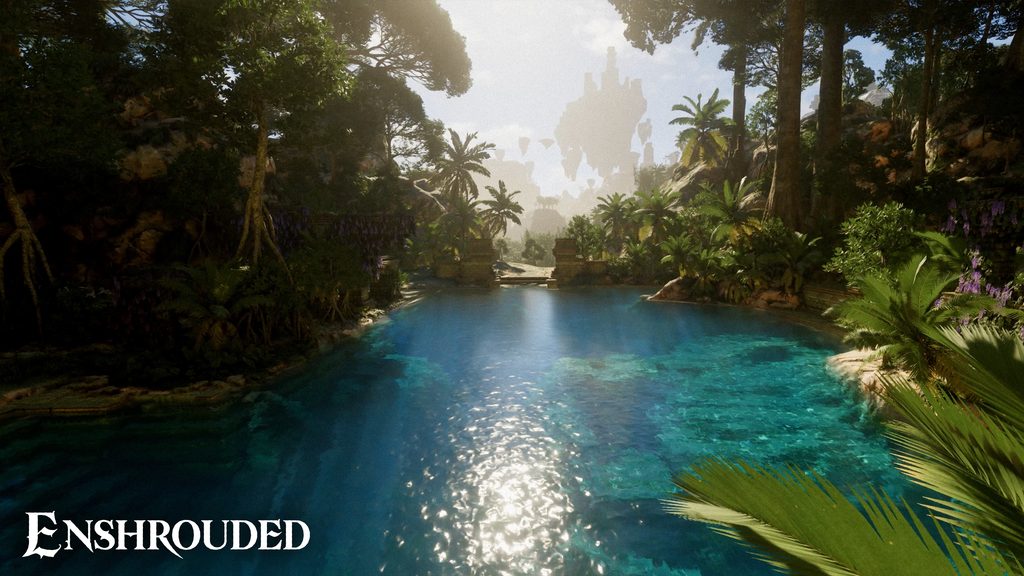
The growth through Early Access matters because it changes what returning means. It isn’t simply the original adventure with a later ending attached.
Blackmire expanded the forest side of the game. Albaneve Summits brought a mountain region, and Veilwater Basin added a substantial area built around lakes, rivers, and underwater exploration. Swimming and diving introduced oxygen management, while fishing gave players another reason to stop moving toward whatever they were originally doing.
I’m interested in those places because exploring together is one of the things Justin and I enjoy most. A new area gives us something to figure out without already knowing the sensible route or what’s waiting around the corner.
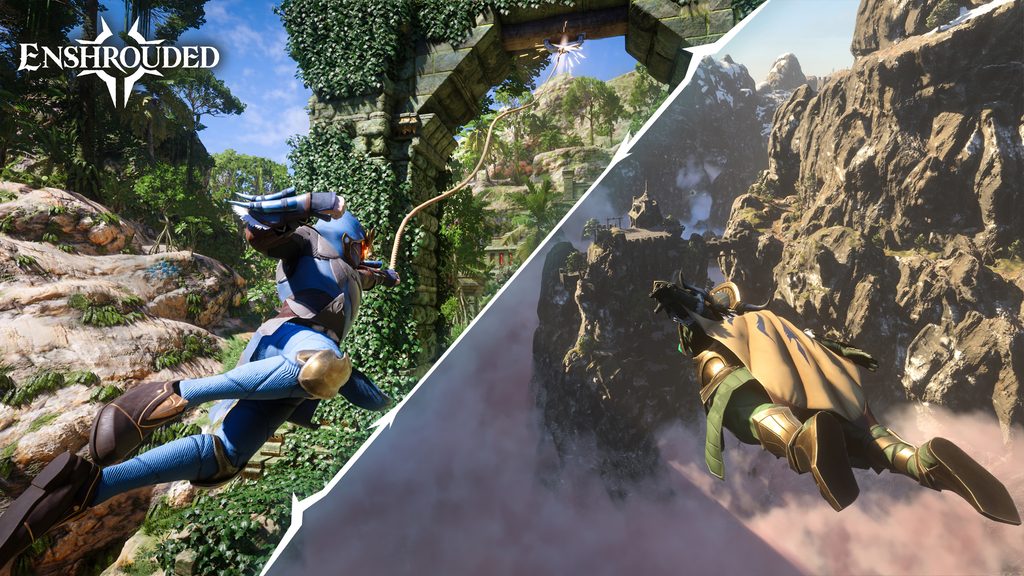
Enshrouded’s traversal helps with that. The glider makes looking across the landscape an invitation. Getting somewhere high changes your options, and choosing a landing spot feels much more immediate than following a road.
It also creates enormous opportunities for confidence to outrun planning. I like games that let me make that mistake myself.
The Shroud provides a different kind of pressure. A timer makes curiosity expensive, especially when something interesting is slightly farther away than you should probably go. It’s an effective way to make exploration feel risky without requiring every moment to be a fight.
Combat has had a substantial amount of work
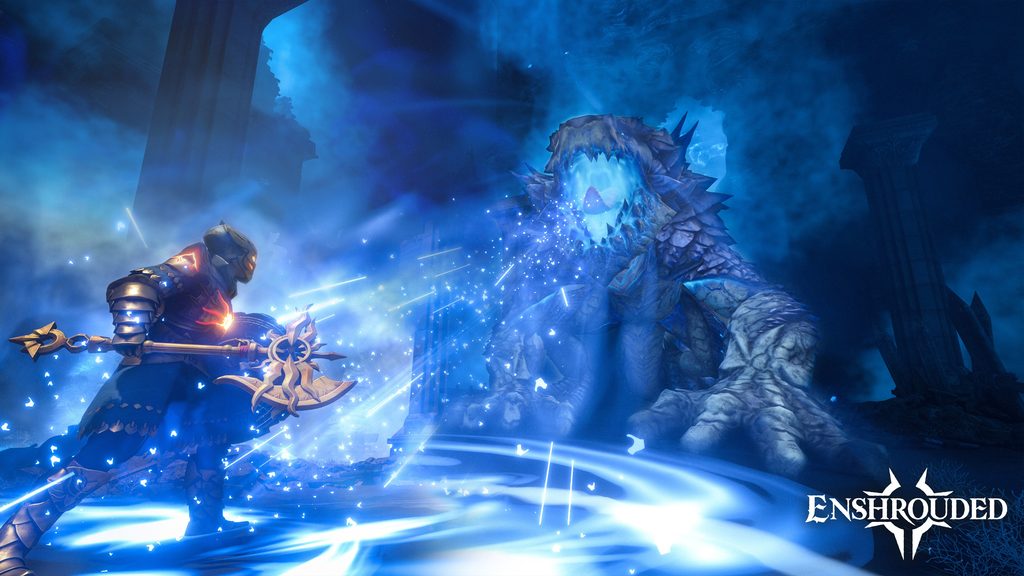
I don’t want to describe the current game using complaints from an older version and act as though nothing happened in between.
Forging the Path brought melee heavy attacks, weapon abilities using focus, a substantial skill-tree rework, and upgrades for more equipment categories. That’s a much broader set of changes than moving a few damage numbers around.
Then 1.0 gave magic more attention, including new spells, summons, and additional wand attacks. That interests me because magic was part of my earlier criticism. More useful ways to handle an encounter would make a real difference to how we approach fights together.
I still want to find out how the whole thing feels over a proper return to the game. A bigger skill tree isn’t automatically a better one. The choices need to matter while we’re playing, and different approaches need to remain enjoyable.
That’s something I’m looking forward to testing with Justin. Figuring out what works together is part of the fun, especially when one of us discovers an idea that sounds excellent until an enemy gets involved.
The little conveniences matter more than they sound
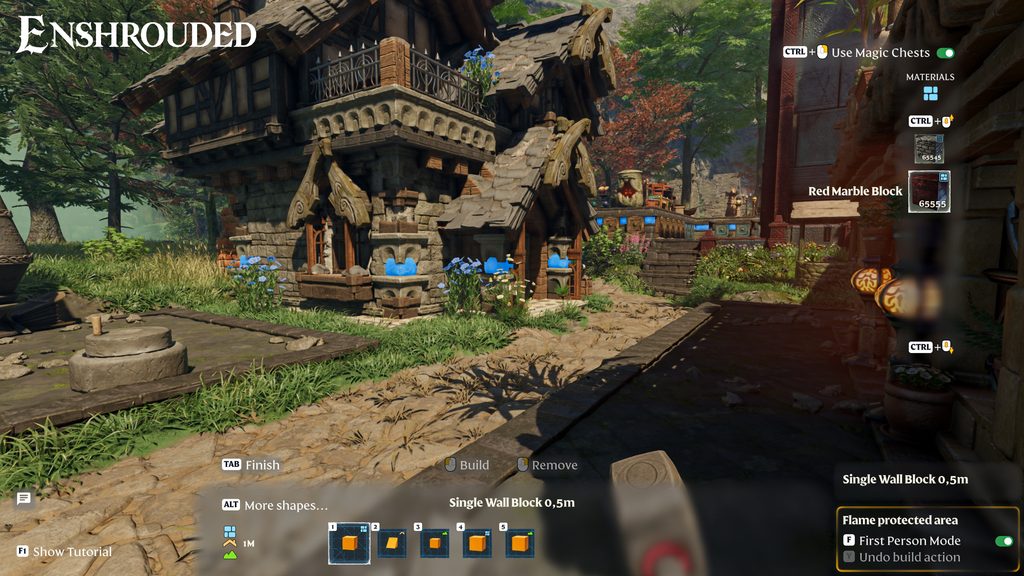
Some of the additions I appreciate most are deeply unglamorous.
Building from magic chests became easier. A Quick Stack Station was added to deposit materials into nearby magical storage. The building tools gained a material catalog and the ability to select a material by pointing at an existing block.
These are the changes that give an evening back to you in small pieces. Returning home with resources should lead into whatever you wanted to make. Spending ages remembering which container holds the relevant material is a much less interesting activity.
I can happily spend too long deciding how a room should look. Searching for the stone needed to change it does not deserve equal billing.
What 1.0 adds to all of that
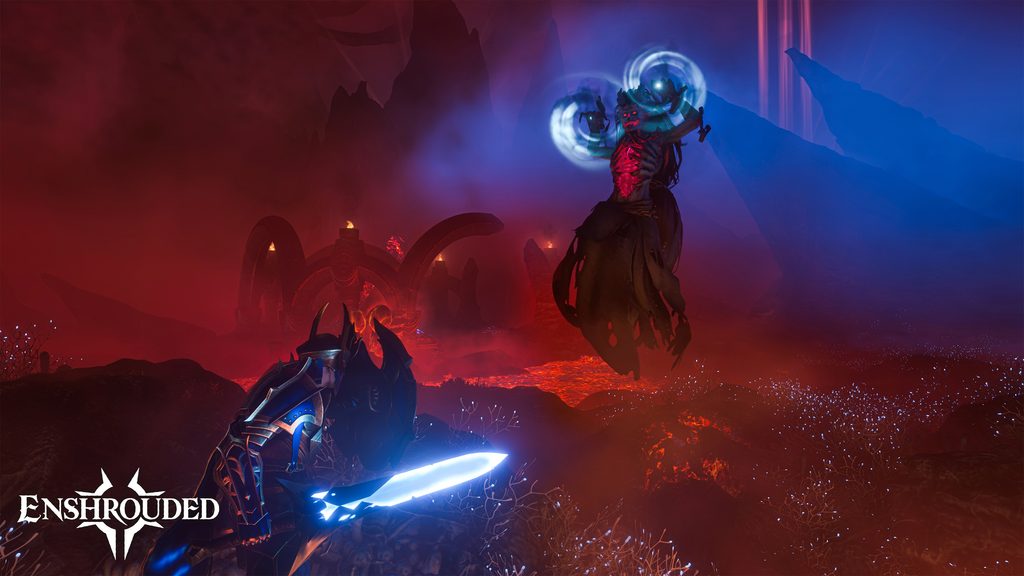
The full release opens the complete map, adds Cinder’s Cradle, and concludes the main story. It also brings new Hollow Halls, voiced lore and major survivors, and practical building improvements such as free-flight construction through a skill and upgrading chests in place.
The important part for us is the accumulated difference. We’re returning to the game we played in Early Access with new regions, water systems, expanded settlements, and reworked combat already in it. Then the release adds another reason to push farther.
Sparkworks also gives builders interactive tools, connecting inputs such as levers and pressure plates to things like doors and traps. That opens up possibilities beyond making somewhere attractive. You can make somewhere for another person to explore and figure out.
I’m extremely interested in that. Justin may eventually have opinions about my interpretation of a welcoming entrance.
The cousin test
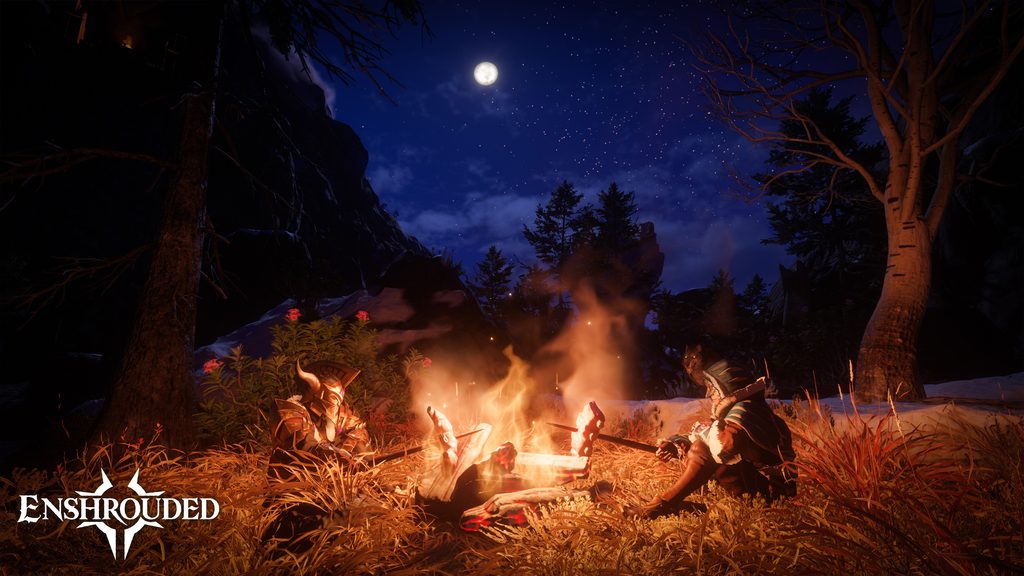
With Valheim, I wrote about a world we kept returning to over years. With Active Matter, it was the weirdness that kept making us want another session. Enshrouded has its own pull.
We already enjoyed spending time together in its earlier version. Now there are systems we want to experiment with and places we want to see. The housing alone gives us far more room to get involved than the first draft of this review really explained.
That’s what I’m excited about. Going back with Justin and finding out how much our understanding of the game needs to change. Seeing what we remember. Discovering what we don’t. Making plans for a base that will almost certainly become more work than we originally intended.
I don’t need to pretend we’ve finished everything in 1.0 to know we want to play it together again.
Final thoughts
Enshrouded was already worth our time in Early Access. Its building gave us somewhere to settle in, and its adventure gave us reasons to get out and explore. There were things I wanted improved, but there was enough there that I cared about seeing those improvements happen.
Looking at it now, the amount added is substantial. Housing has become more expressive. Settlements have more life. Water gives us an entirely different system to experiment with, and the world around all of it has grown.
Justin and I cannot wait to get back into it.
There’s a lot of Embervale we still need to see. I want us to take our time with it, get distracted, and discover what this version of the game becomes for us.
I also want a house with running water, which is probably where the trouble starts.