Goblins of Elderstone Review
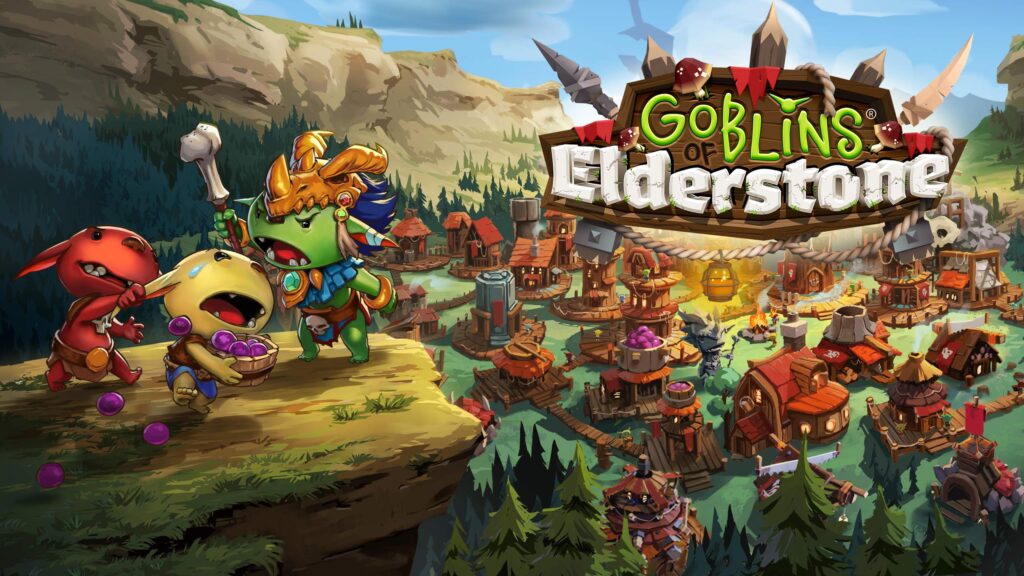
A messy, charming goblin village builder that feels alive in all the right ways
City builders have a habit of becoming spreadsheets with pretty graphics. You place houses, optimize production chains, keep the numbers rising, and after a few hours it starts to feel less like managing a world and more like balancing a logistics equation.
Goblins of Elderstone tries to break that pattern by doing something much more interesting. Instead of asking you to build a perfect civilization, it asks you to manage a tribe of goblins that are chaotic, opinionated, superstitious, and occasionally a little stupid. That difference alone changes the entire tone of the experience.
Rather than controlling a perfectly efficient workforce, you are essentially guiding a messy society that has its own internal dynamics. Goblins form clans. They develop traditions. They create beliefs about the world around them. Sometimes those systems make your settlement stronger. Sometimes they create problems you never planned for. The end result is a village builder that feels less like a city planning tool and more like a social ecosystem slowly taking shape.
The game begins simply enough. A small group of goblins arrives in a patch of wilderness and your job is to help them survive. You gather resources, build huts, start basic production chains, and slowly expand outward. If you have played games like Banished or Settlement Survival, the early loop will feel familiar.
Where Goblins of Elderstone separates itself is in how quickly the village begins developing a personality.
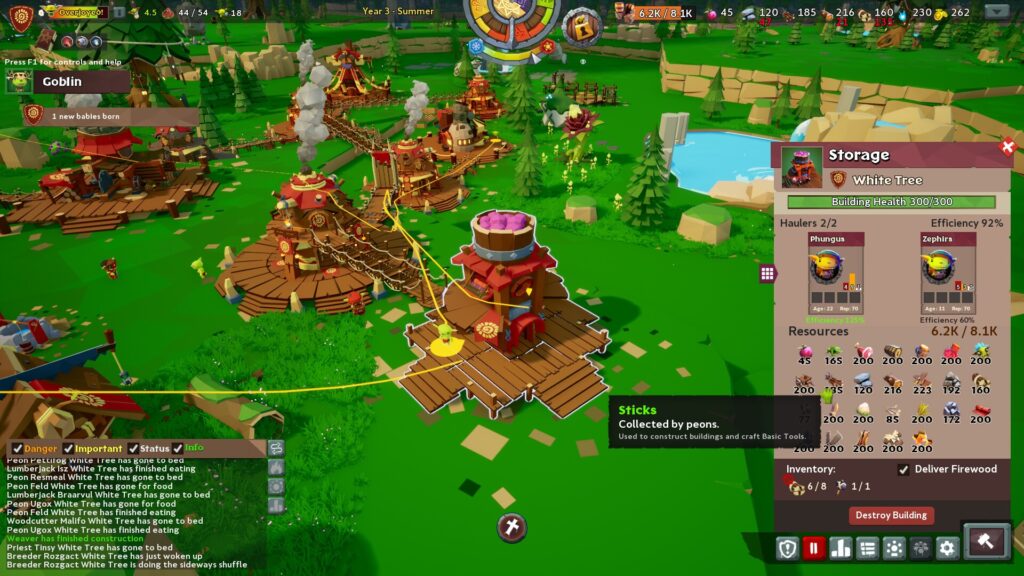
Your goblins do not exist as anonymous workers. They belong to clans that influence their priorities and behavior. Some clans lean toward craftsmanship, others toward spirituality or combat. Over time these clan identities shape the direction of your settlement in ways that feel organic rather than forced.
Watching the tribe evolve becomes the real joy of the game. You start noticing patterns in how your population behaves. Certain clans might become dominant in specific professions. Rivalries appear. Rituals become important. Suddenly the village feels like it has culture rather than just infrastructure.
That sense of identity is where Goblins of Elderstone really shines.
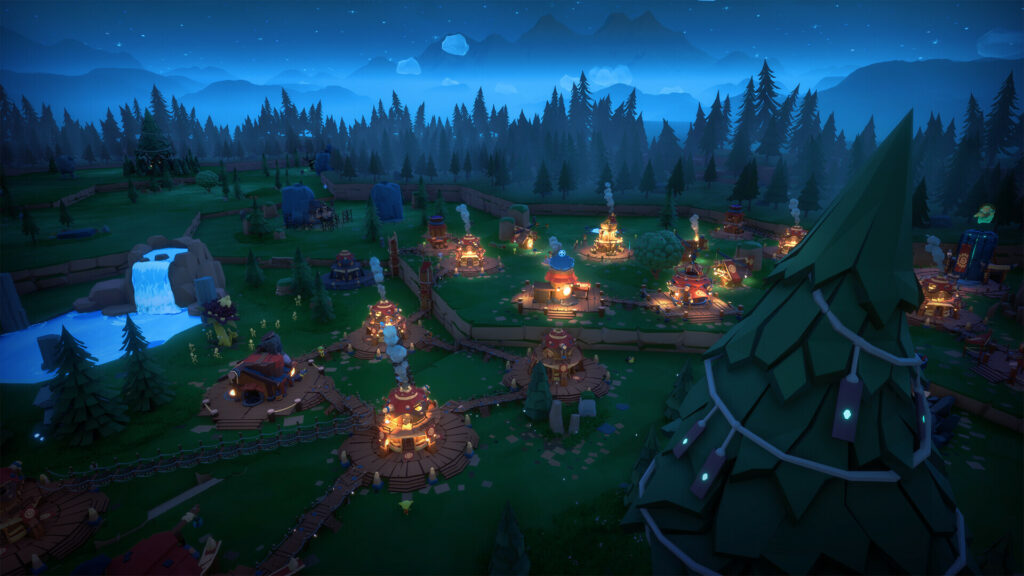
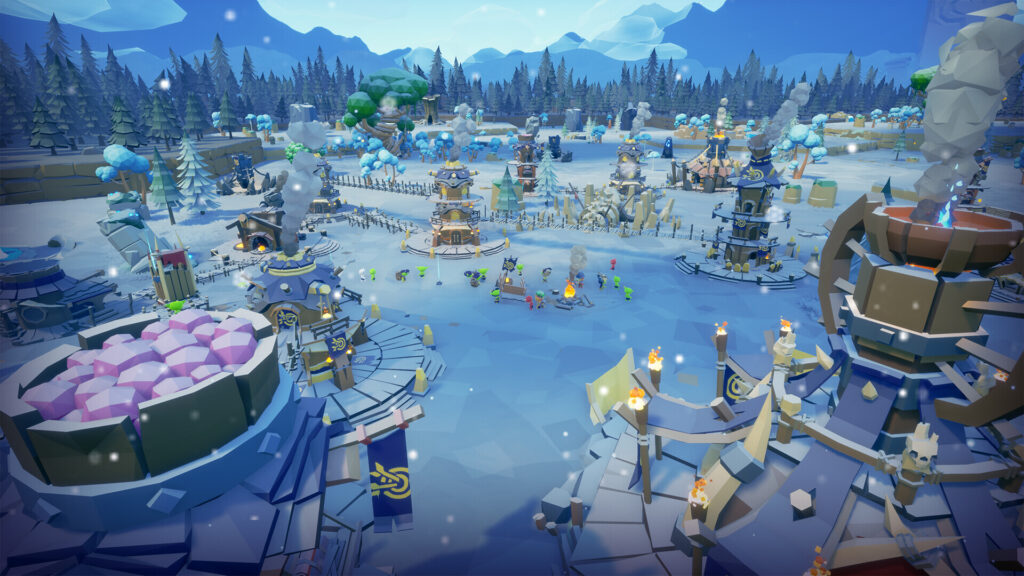
The village slowly becomes something unique to your playthrough, not just a blueprint of optimized buildings. And there is WEATHER!
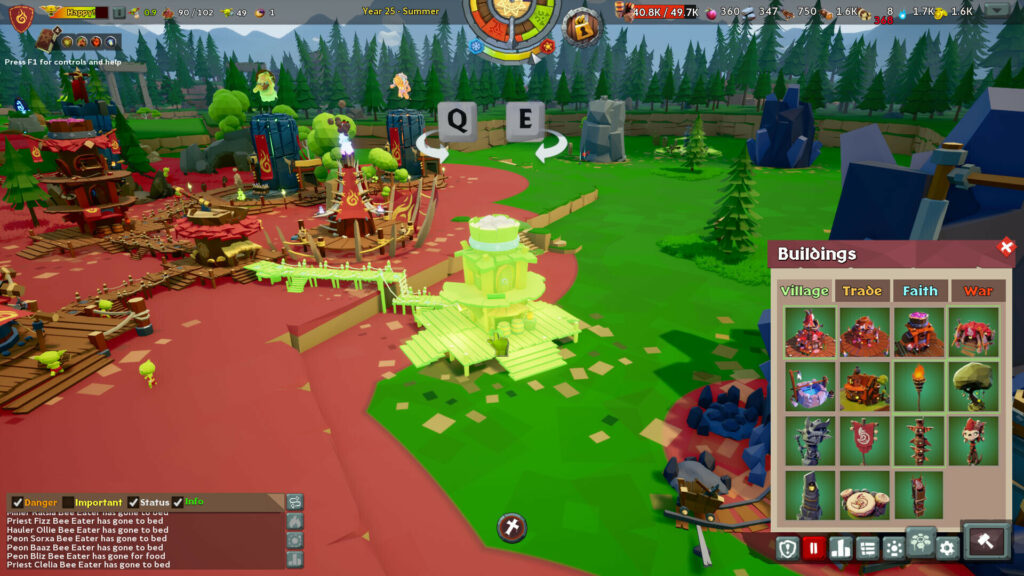
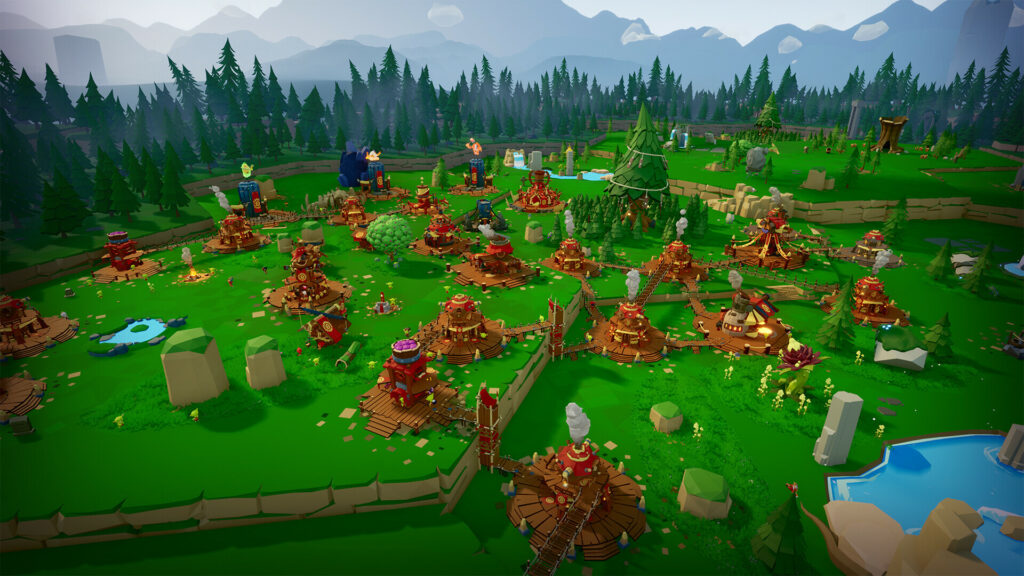
The visual style reinforces that charm. The goblins themselves are expressive and slightly ridiculous in a way that fits the theme perfectly. Buildings look handmade and improvised rather than engineered. Nothing feels overly polished or pristine. The world looks like something goblins actually built.
That said, the game is not perfect.
The biggest issue comes from pacing and systems depth. While the early and mid game feel lively, the late game can start to slow down. Once the core infrastructure of the settlement is stable, there are moments where the sense of discovery tapers off and the game leans more heavily into routine management.
Some players have noticed this as well.
One player review on Steam summed it up well:
“This game has so much personality. Watching the goblins form their clans and traditions is amazing. I just wish there were a few more late game systems to keep the momentum going.”
Another player wrote:
“It feels like a goblin society simulator more than a city builder. Sometimes things go wrong in ways you didn’t expect, but that is part of the charm.”
And honestly, that captures the experience pretty well.
Goblins of Elderstone is not trying to compete with the most complex simulation builders out there. Instead it focuses on giving your settlement a sense of life and character.
When things are working, it feels like you are watching a small tribal culture grow and evolve rather than simply managing production ratios.
Pros
- The clan system gives villagers personality and makes the settlement feel alive.
- The art style fits the tone perfectly and reinforces the chaotic goblin theme.
- Cultural development and traditions create a unique progression system.
- Watching your tribe evolve organically is genuinely fun.
Cons
- Late game pacing can slow down once the village becomes stable.
- Some systems could use deeper complexity over long play sessions.
- Occasional rough edges in balancing and progression.
Final Thoughts
Goblins of Elderstone is not the most technically deep city builder on the market, but it might be one of the most charming.
The real magic of the game is not optimizing production chains or designing perfect layouts. It is watching a tribe of goblins slowly become a society with its own identity, traditions, and internal drama.
If you enjoy village builders but want something that feels a little more alive and a little less mechanical, Goblins of Elderstone is a surprisingly enjoyable experience.
Just do not expect your goblins to behave logically all the time.
They are goblins after all.