Valheim 1.0 review: The COOP game my cousin and I never really left
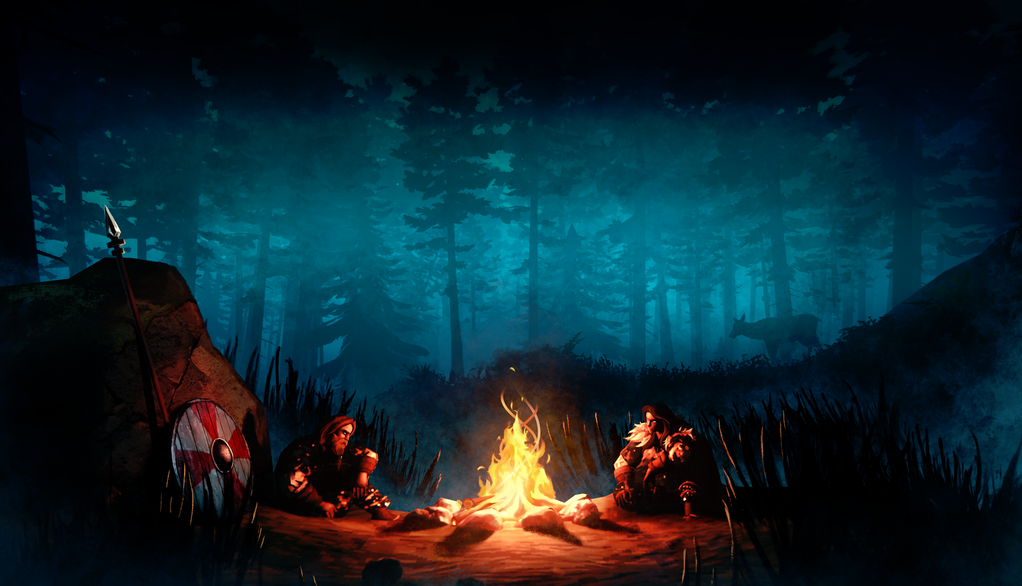
I can almost tell what year it was by which version of Valheim my cousin and I were playing.
We started in 2021, right when Valheim exploded into Early Access and suddenly everyone was talking about this weird Viking survival game that looked like it had been pulled out of the late 90s and somehow had some of the best lighting I had seen in years. My cousin and I play co-op games together all the time, so it didn’t take much convincing. We bought it, jumped into a world together, and immediately began doing what everyone does the first time they play Valheim.
We built a terrible house.
Probably fought the roof for longer than I care to admit. Probably spent too much time punching trees before realizing trees punch back. We had no idea what the hell we were doing, and that was exactly why it was so good.
Now it’s 2026. Valheim is finally 1.0. The Deep North is actually here. The game we started playing five years ago is technically “finished,” which feels bizarre to even write because Valheim has been part of our co-op rotation for so long that I stopped thinking about whether it was Early Access years ago.
And looking back at those five years, I realized I’m not really reviewing Valheim the same way I would review another game.
I’m reviewing a place my cousin and I kept coming back to.
First, the actual game review
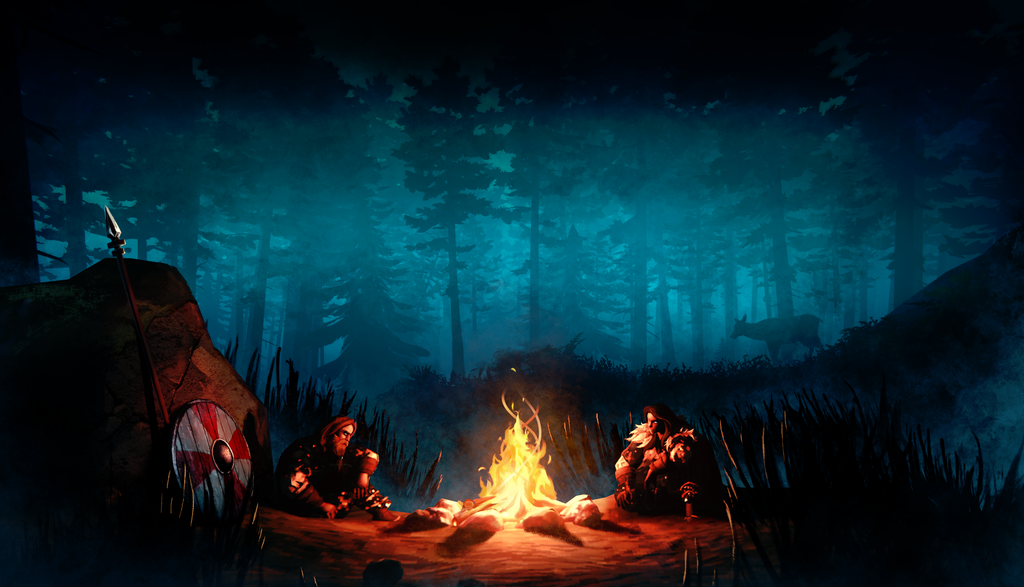
Valheim is still one of the best co-op survival games ever made.
The basic loop is simple. You explore a procedurally generated world, gather resources, build a base, craft better equipment, prepare food, kill bosses and slowly push into increasingly hostile biomes. None of that sounds particularly original anymore. There are dozens of games built around roughly the same ingredients.
Valheim works because those systems feed into each other incredibly well.
Exploration matters because you actually need what you find. Progression matters because better tools and equipment open up parts of the world that previously felt impossible. Building matters because your base isn’t just decoration. It’s where you cook, craft, rest, organize supplies and prepare for whatever terrible idea you’re attempting next.
Even food is handled better than in most survival games. You aren’t constantly eating because some hunger bar is threatening to kill you. Food determines your health, stamina and combat readiness, so preparation becomes part of the gameplay instead of busywork. A good meal before a dangerous expedition genuinely matters.
Combat looks simple at first, but stamina management, blocking, parrying, positioning and weapon choice become much more important once the game starts pushing back. Walking into a new biome with the attitude of “we’ll probably be fine” is one of the quickest ways Valheim teaches you humility.
Boss progression is another thing it gets right. You aren’t killing bosses just because a quest marker told you to. Each one usually unlocks something that changes what you can gather, craft or access next. The progression has a natural rhythm to it. You beat something difficult, go home stronger, reorganize half your base because you suddenly have new crafting stations everywhere, and then start wondering what is beyond the next coastline.
The sailing is still one of my favorite parts of the game. Travel has weight because distance matters. If you want to cross an ocean, you need a boat and enough preparation to survive whatever happens between point A and point B. Weather can change. The ocean can decide it hates you. You can discover something interesting halfway there and completely derail the original plan.
That unpredictability is where a lot of Valheim’s best moments come from.
Building is excellent too. Structures need support. Smoke needs somewhere to go. Terrain actually affects how you design things. None of it is hardcore architectural simulation, but there is enough logic behind the system that building something large feels satisfying instead of like you’re stacking infinitely floating blocks.
And somehow, after hundreds of hours, the world can still catch me off guard visually.
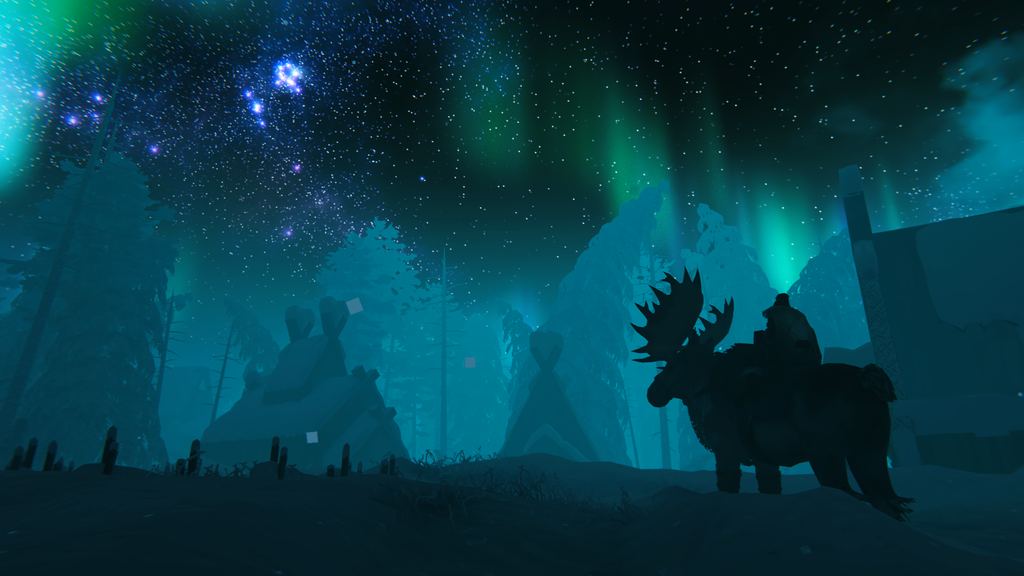
Valheim is intentionally low-resolution and sometimes looks borderline ancient when you stare at an object up close. Then the sun starts coming through the trees or a storm rolls across the ocean and it suddenly looks incredible. The lighting, weather and atmosphere carry the art direction far beyond what those textures should reasonably be capable of.
The biggest problems haven’t disappeared either.
Inventory space has always been irritating. Resource gathering can become repetitive. Mining, in particular, can chew through an entire evening. Dying in the wrong place can turn into an hour-long recovery operation, and depending on where you died, the rescue attempt can become much harder than the original fight.
Later biomes also pushed some mechanics too far. Mistlands could turn visibility itself into the main enemy. Ashlands could feel like the entire biome had agreed to spawn directly behind you at once.
And then there’s metal transportation.
I understand why most metals can’t travel through normal portals. It forces you to sail, keeps geography important and stops the entire world from collapsing into a menu of teleport locations.
I agree with all of that philosophically.
I agree with it slightly less when I’m halfway across an ocean transporting another boat full of iron.
That mix of brilliance and occasional absolute bullshit is basically Valheim in one sentence.
1.0 improves several of those older frustrations too, including inventory options, later-biome balance, durability changes and quality-of-life work across the game. More importantly, the final release doesn’t feel like Iron Gate simply finished the Deep North and called it a day. There has been work done across the entire journey.
So before I get sentimental about what this game has meant to us, that’s the gameplay review.
Valheim is fantastic.
It can be slow. It can be grindy. It can waste your entire evening because you made one bad decision thirty minutes ago.
And somehow, that is also why some of its best stories happen.
Back in 2021, everything felt enormous
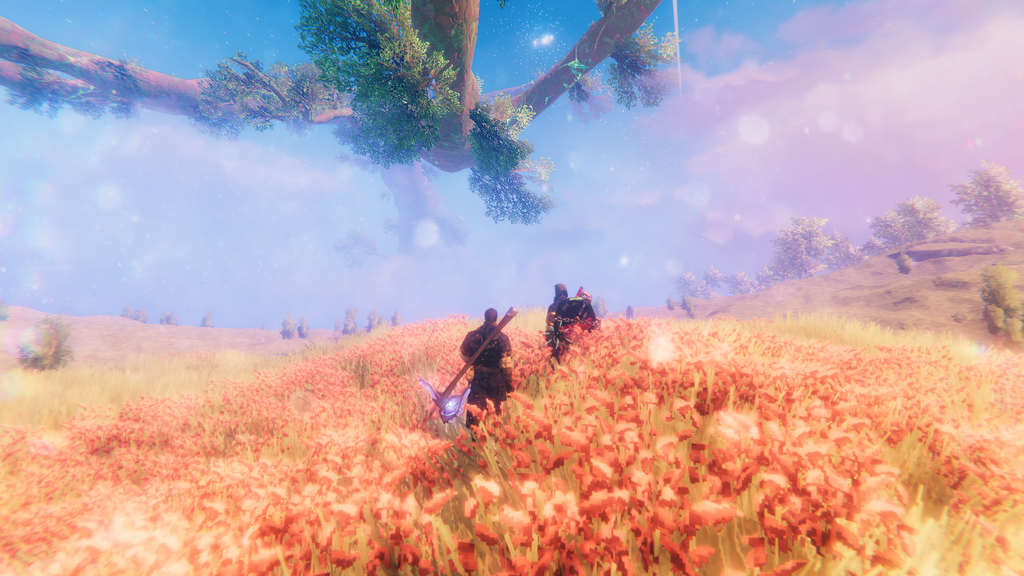
The original Early Access version of Valheim was a much smaller game than what exists today. Hearth & Home hadn’t happened. Mistlands wasn’t properly developed yet. There was no Ashlands adventure waiting for us at the bottom of the world, and the Deep North was basically this mysterious unfinished chunk sitting there daring everyone to wonder what would eventually be inside it.
None of that mattered at the time because we didn’t know what we were missing.
Everything was new.
Finding another biome felt like an expedition. Getting a smelter working felt important. Bronze felt like we had entered the industrial revolution. A decent base was something we were actually proud of, even if half the reason we were proud of it was because the roof had finally stopped filling the room with smoke.
Then we built a boat.
I think that’s when Valheim really clicked for me.
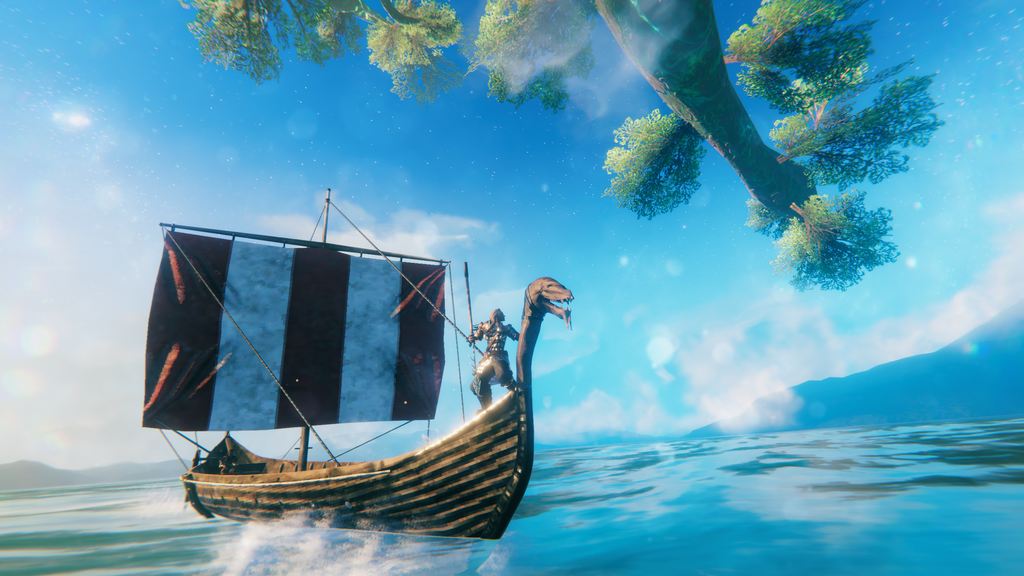
There is something about sailing in this game that completely changes the scale of the world. You aren’t selecting a location from a map and appearing there fifteen seconds later. You have to actually go somewhere. You pack food, repair everything, load whatever supplies you think you need and head out across the water with the confidence of two people who absolutely do not know what is about to happen.
And Valheim is very good at punishing confidence.
A trip that should take twenty minutes becomes three hours because somebody dies. Now the boat is stranded. Then the corpse recovery mission goes badly, so there’s another corpse. Suddenly you’re building a backup boat to retrieve the original boat while discussing the uncomfortable possibility that maybe neither of you planned this particularly well.
Somehow, those are the nights I remember.
I couldn’t tell you the stats of most of the weapons we used five years ago. I can remember the feeling of being very far from home with my cousin and realizing we had made a spectacular mistake.
That’s Valheim.
Somewhere along the way, it became our game
My cousin and I have played a ridiculous number of co-op games together. That’s always been one of the ways we’ve stayed close. Something new comes out, one of us sends it to the other, and before long we’re downloading another game.
Most of them eventually disappear.
You beat the campaign. The progression dries up. Another game comes along. Eventually you realize you haven’t opened the old one in six months and probably never will again.
Valheim never really did that for us.
We have absolutely stopped playing it. Sometimes for long stretches. But we kept coming back.
A big update would release and we’d start talking about it again. One of us would randomly get the itch. Sometimes all it took was one message.
“Valheim?”
That’s apparently enough to ruin the next several weeks of our lives.
We’d come back, remember how everything worked, discover whatever had changed and somehow fall into the exact same rhythm again. One of us would get distracted building something nobody asked for. The other would be trying to actually make progress. Storage would begin organized and inevitably collapse into chests full of garbage. There would eventually be at least one chest whose organizational strategy could best be described as “future problem.”
And we’d talk.
That part matters more to me now than it did in 2021.
Valheim has a lot of downtime, and I mean that as a compliment. Modern games are terrified that if nothing explodes for thirty seconds you’ll close the application. Valheim will happily let you spend an evening chopping wood, fixing a wall, cooking food or sailing across an ocean.
So you talk while you’re doing it.
Sometimes we’re talking about the game. Sometimes we’re making plans for the next boss or figuring out what resources we need. Then twenty minutes later we’re talking about work, family, something that happened that week, whatever is going on in our lives.
The game gives us something to do while the conversation happens naturally.
I’ve realized over the years that a huge part of our friendship has grown inside those little spaces. Valheim was never responsible for us being close, but it gave us a reason to keep showing up somewhere together. Five years of “want to play tonight?” adds up.
There are old Valheim worlds I can load and immediately remember roughly when we built them. I can look at a base and remember what was going on in our lives around that time. Some ridiculous road or dock or portal room can trigger a memory I hadn’t thought about in years.
That’s weirdly powerful for a video game about Vikings eating sausages and being murdered by mosquitoes.
As an actual survival game, Valheim is still one of the best
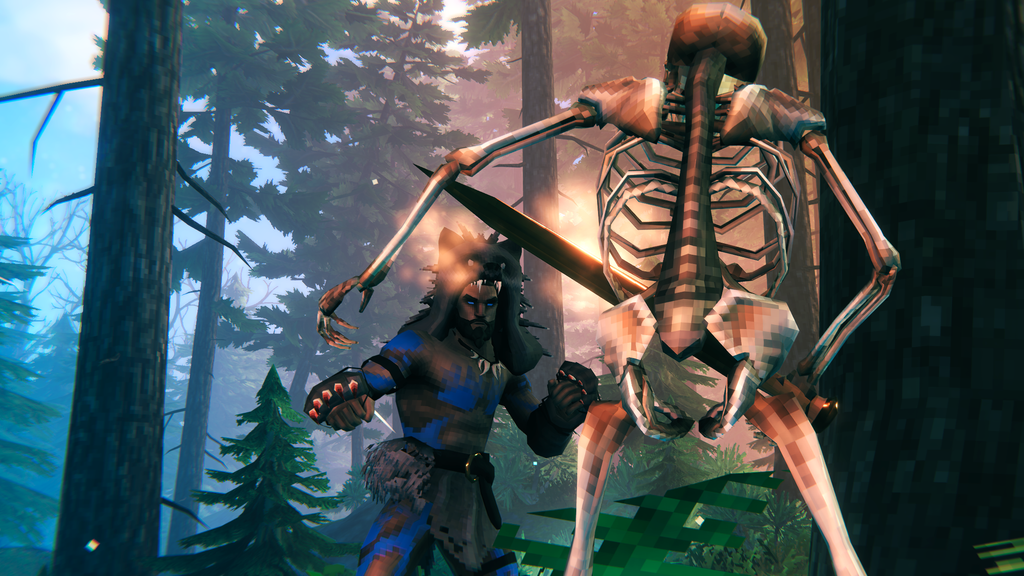
The sentimental stuff wouldn’t mean much if Valheim itself wasn’t good.
It is very good.
The thing Valheim gets right better than almost every survival game I’ve played is progression. Progress doesn’t live entirely inside a skill tree or a character level. You can physically see it around you.
The tiny shack becomes a house. The house becomes a compound. Eventually there’s a dock, farms, crafting rooms, roads, portals and some enormous construction project that began with one person saying, “You know what would look cool here?”
You remember how dangerous an area used to feel because now you’re walking through it wearing gear that would have made your earlier character look homeless.
Bosses work because beating them usually means something beyond checking another box. They push the world forward. New materials become possible. New areas make sense. You feel like you’re slowly earning the right to move farther out.
Building is still one of my favorite parts of the game because structures actually feel like structures. Supports matter. Smoke matters. Terrain matters. A house can feel cozy in Valheim in a way that makes absolutely no sense when you stop and look closely at the textures.
Graphically, Valheim is still hilarious.
Put your face six inches from a wall and the game looks ancient.
Then walk outside during sunrise when the light starts cutting through the trees and suddenly it’s gorgeous.
I never got tired of that contrast. Iron Gate understood that art direction matters more than raw texture resolution, and Valheim has aged ridiculously well because of it. Storms at sea still make me nervous. The Black Forest can still look incredible. Coming back to your base after being away for a long expedition still gives you that little “home” feeling.
The audio does a lot of work too. Rain hitting while you’re inside beside a fire, the ocean around a boat, the biome music kicking in when you cross into somewhere dangerous. It all gets lodged in your memory after enough hours.
Valheim knows how to make a place feel like a place.
It also drives me absolutely insane
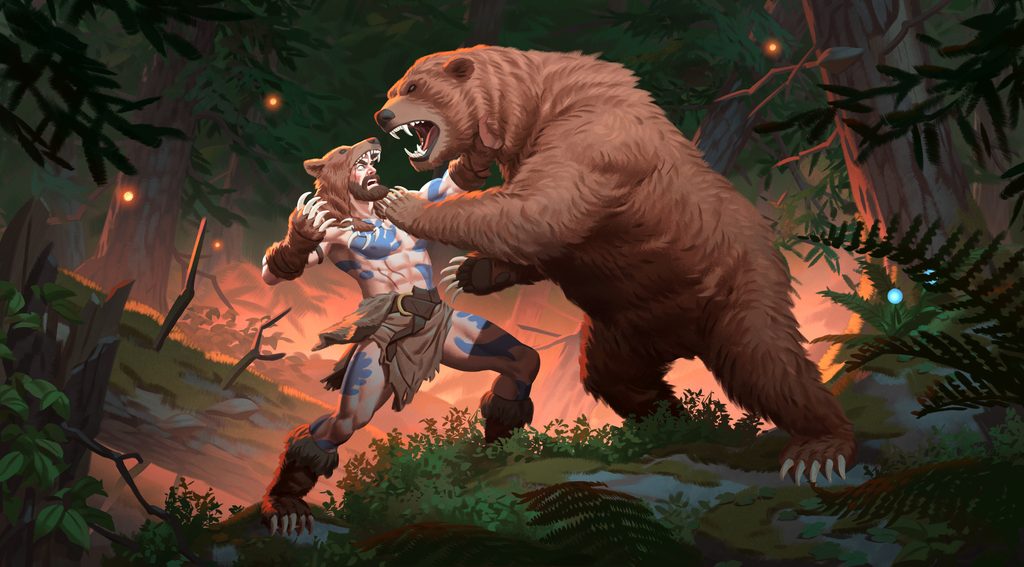
Valheim has never been perfect, and after playing it this long I have a very detailed list of complaints.
The grind can get stupid.
There are times when gathering resources crosses the line from relaxing into “why am I still doing this?” Mining can eat an entire night. Losing your gear in the wrong place can turn the next hour into pure misery. Depending on where you died, recovering your body can become harder than whatever originally killed you.
Inventory management has also been fighting a five-year war against my patience.
Upgradeable pockets in 1.0 are genuinely exciting to me, which probably says something deeply depressing about how long I’ve played survival games. Five years of Valheim and we have finally made progress in the field of putting more things inside your pants.
Technology marches forward.
And then there’s metal.
I understand why Valheim restricts transporting certain metals through normal portals. I actually agree with the design philosophy behind it. It makes the world matter. It makes boats useful. Distance has consequences.
I believe all of that right up until I’m halfway across an ocean transporting iron for the six thousandth time.
At that point I have several strongly worded suggestions for Iron Gate.
The later biomes haven’t always been perfect either. Mistlands could make visibility feel like the real boss. Ashlands could reach moments where it seemed like every creature within a five-mile radius had been informed that Tristan and his cousin had logged in and should be dealt with immediately.
1.0 revisits some of those older pain points, with changes to Mistlands visibility, Ashlands spawning, durability on later-game equipment and inventory capacity. That’s important because this isn’t simply a final biome being stapled onto the end of Early Access. Iron Gate has gone back and touched parts of the journey people have been complaining about for years.
Will I still complain?
Obviously.
That’s part of the relationship now.
Five years of Early Access actually meant something
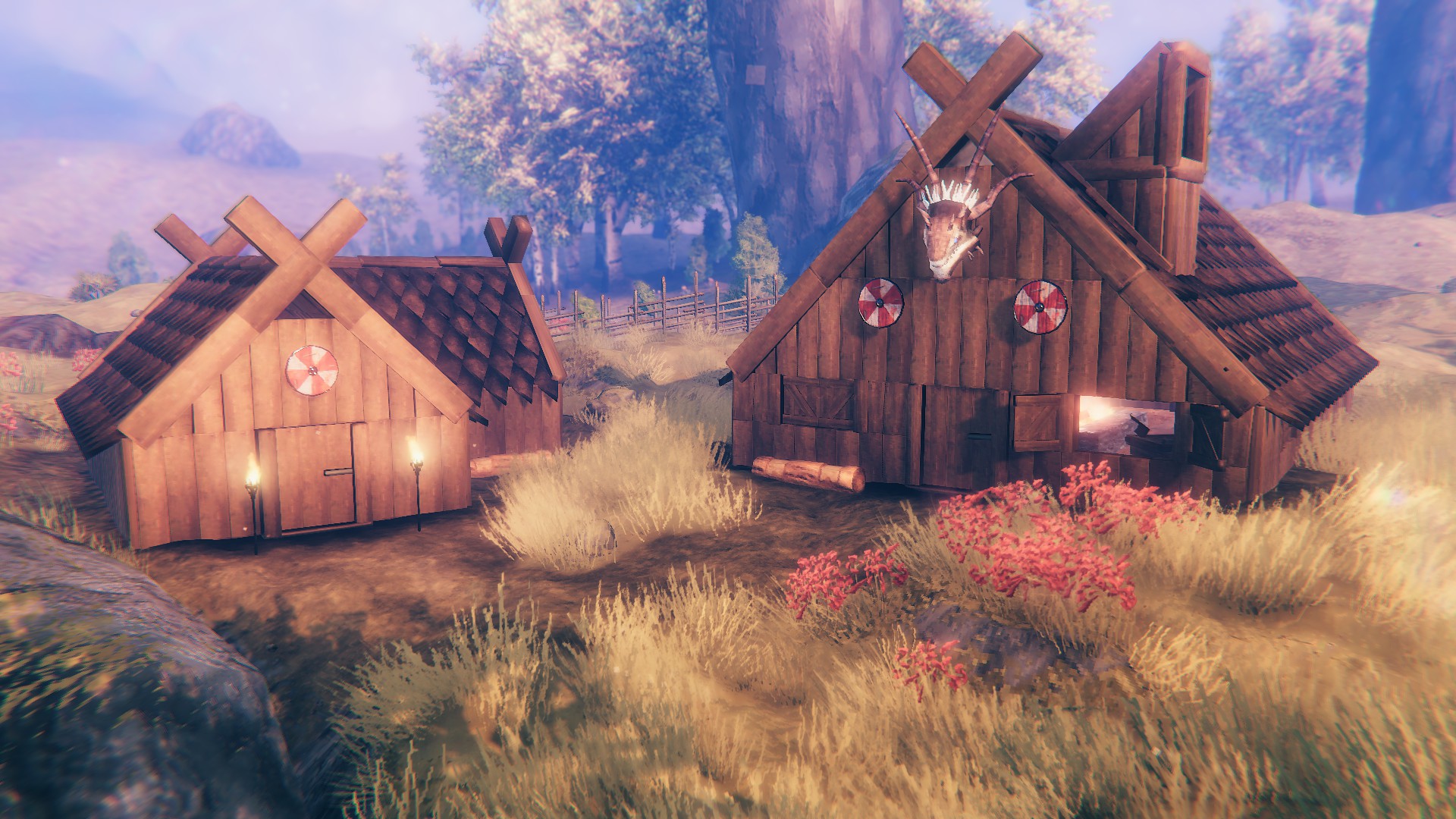
Valheim’s Early Access period was long, but it never felt abandoned.
That’s an important distinction.
Since 2021 we’ve gone through Hearth & Home, Frost Caves, Mistlands, Hildir’s Request, Ashlands, The Bog Witch, Call to Arms and all the smaller changes that happened between them. Each time we returned, the game we remembered was still there, but there was another chunk attached to it.
That gradual development became part of our experience.
We didn’t play Valheim once.
We played different eras of Valheim.
I remember the early game before a lot of the current systems existed. I remember coming back and having to learn new food mechanics. I remember Mistlands finally becoming a real place after years of staring at it on the map. I remember preparing for Ashlands and then discovering that preparation and Ashlands apparently had very different definitions of the word “prepared.”
Now there’s one final direction left.
North.
Valheim 1.0 feels different because we were there for the wait
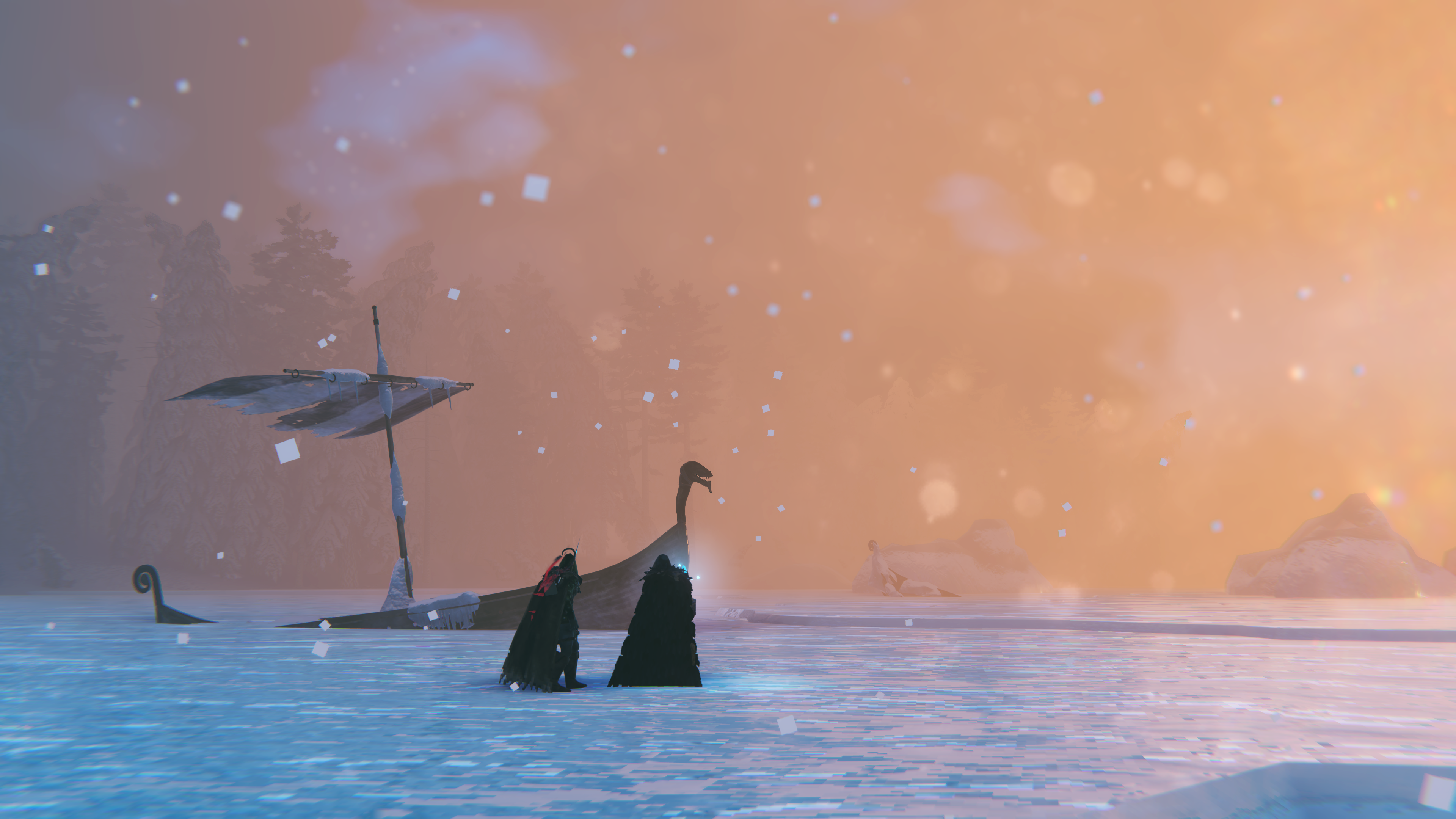
The Deep North has been sitting at the top of the map since the beginning.
For years it was basically a placeholder and a promise. You could look at it and know that someday there was supposed to be something there.
Now there is.
Valheim 1.0 turns the Deep North into the final biome, adds a huge batch of weapons and build pieces, new enemies, armor, food, materials, events and mechanics. There are achievements now. There are new world variations, more progression systems and a pile of technical and balance changes across the rest of the game.
There is even frozen water you need to worry about walking across, because apparently normal water wasn’t dangerous enough.
Perfect.
But I’m not going to pretend I’ve already experienced every part of 1.0 and give you some fake definitive analysis of the Deep North. That’s not where we are yet, and honestly I don’t want to rush through it just so I can say I finished it.
I’ve waited five years for this.
More importantly, we’ve waited five years for this.
I want my cousin and me to have that first trip north. I want us ridiculously overprepared and somehow missing one incredibly obvious item. I want somebody to say, “I think we’re ready,” which in Valheim is basically the equivalent of saying the killer’s name out loud in a horror movie.
I want the disaster afterward.
Because those disasters are probably what I’m going to remember five years from now.
The part of Valheim I can’t put into a score
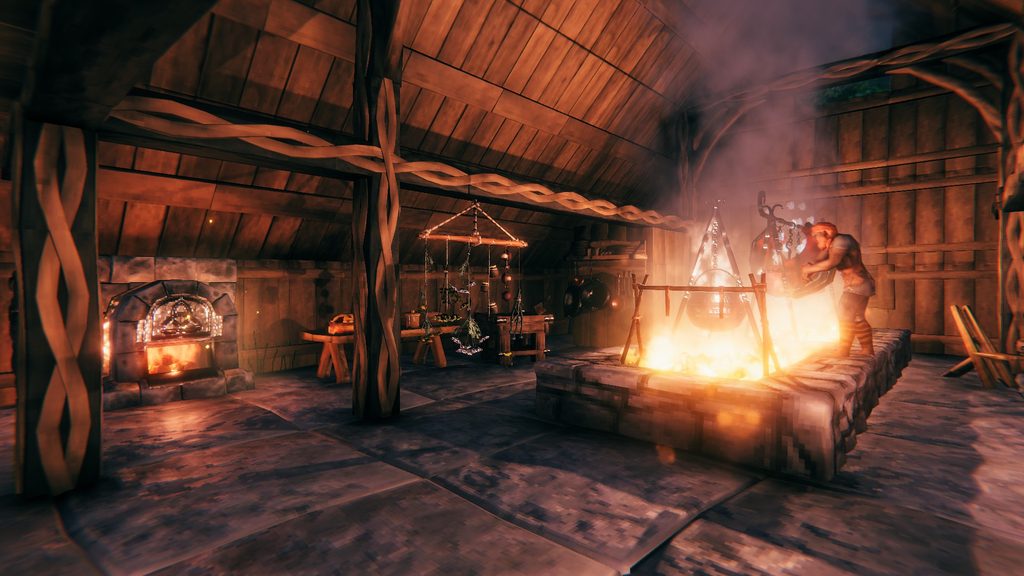
When I review games, I usually think about mechanics. Performance. Graphics. Content. Value. All the normal stuff.
Valheim earns the recommendation on those things. I’ve gotten an absurd amount of entertainment out of it, the 1.0 version is enormous compared to what we bought in 2021, and the core survival loop is still better than games that have tried to copy it since.
But that’s not why this one gets a 10 from me.
Valheim gets a 10 because when I think about the game, I think about my cousin.
I think about staying up too late because we were “almost done” with something that was absolutely nowhere near done. I think about terrible expeditions. I think about sailing. I think about building houses we didn’t need and hauling materials halfway across the planet because apparently we had decided interior decorating was now an emergency.
I think about all the conversations that happened while we were doing those things.
Somewhere during those five years, Valheim became less of a game we played and more of a place we knew how to return to.
There’s a difference.
We got older while Valheim was in Early Access. Life changed. Our schedules changed. Other games came and went. Somehow we kept finding our way back into another procedurally generated Viking purgatory together.
And every time, within about ten minutes, it felt normal again.
Verdict
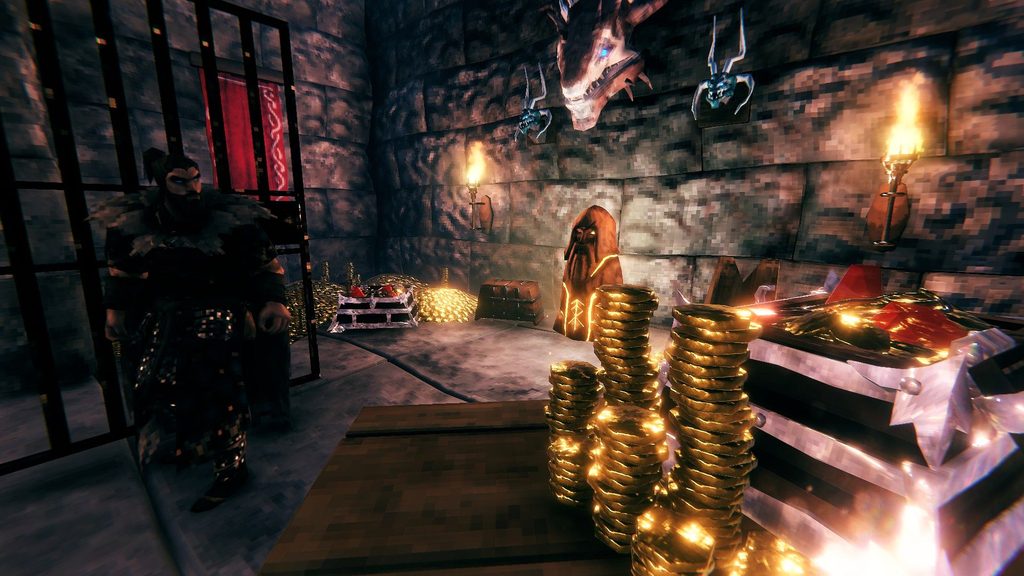
I bought Valheim in 2021 because my cousin and I thought it looked like a cool co-op survival game.
I didn’t expect to still be talking about it five years later.
I definitely didn’t expect those worlds to become little time capsules for our friendship, but that’s what happened. There are memories attached to bases, boats, bosses, stupid deaths and completely unnecessary construction projects.
Now Valheim is finally 1.0, and after everything we’ve already done together, there’s still somewhere we haven’t been.
The Deep North is waiting.
So we’re going north.
Together.
Again.
10/10.
It will probably piss me off by the end of the night.