
WuQue Studio Poseidon vs Diamond Series vs Geon Raw: Hall Effect Switches Are Finally Getting the Sound and Feel Right
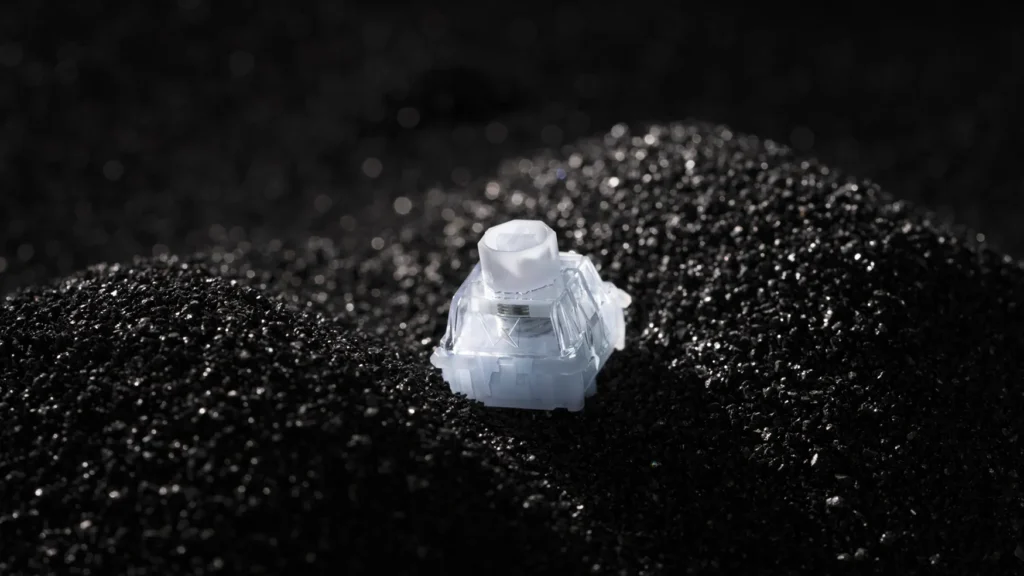
Affiliate link: https://shop.wuquestudio.com/r?id=pg8agc
Hall Effect keyboards have been getting better fast, but the one thing I keep coming back to is sound and feel. Performance has always been the easy selling point. Rapid trigger, adjustable actuation, magnetic sensing, faster resets, all of that is great. But for people who actually use their keyboard all day, a switch cannot just be fast. It has to feel good under your fingers, and it has to sound good enough that you actually want to keep typing on it.
That has been the weird tradeoff with Hall Effect for a while. You could get a keyboard that was incredible for gaming, but the sound profile often felt like the compromise. A lot of magnetic switches had that sharper plastic sound, or a hollow bottom-out, or a thinner typing experience that reminded you these were built for performance first and everything else second. That is fine for some people, but it is not enough for me. I want the gaming performance without feeling like the keyboard lost the soul of a good mechanical build.
That is why this comparison was so interesting. I tested the WuQue Studio Diamond Series switches, specifically Cullinan and Heart of the Ocean, the WuQue Studio Poseidon switches, and the Geon Raw Hall Effect switches. The Geon Raw has been one of the better value options for people who want a good Hall Effect sound profile without going completely overboard. It has earned its place because it sounds good, feels good enough, and gives people a strong magnetic switch option at a more reasonable value point.
But the new WuQue Studio switches are doing something different. The Diamond Series and Poseidon are not just trying to be good sounding Hall Effect switches. They are clearly trying to push the category forward in stability, feel, switch design, and sound profile. The Diamond switches give you that clacky to mid-range thock profile with a very stable feel, while the Poseidons go full deep, soft, super thocky, and honestly feel like the closest I have personally felt a Hall Effect switch come to a creamy linear mechanical switch.
The short version is this: Geon Raw is probably still the best value buy for sound profile, but the Diamond Series and Poseidons are on another level when it comes to the combination of stability, feel, design, and sound variety.
The Switches Tested
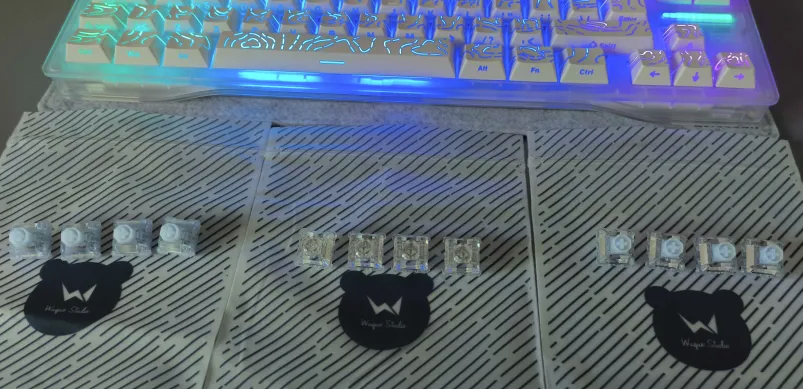
For this sound test, I tested the WuQue Studio Diamond Series Cullinan, the WuQue Studio Diamond Series Heart of the Ocean, the WuQue Studio Poseidon, and the Geon Raw Hall Effect switches.
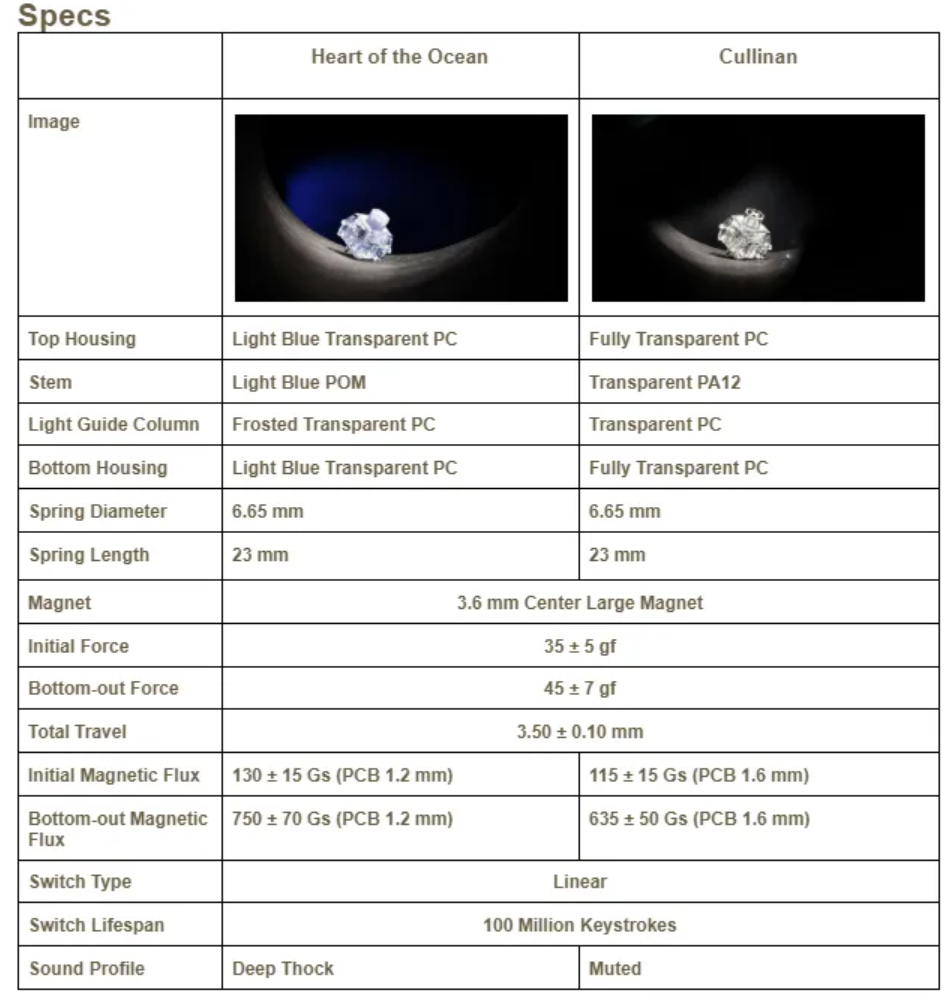
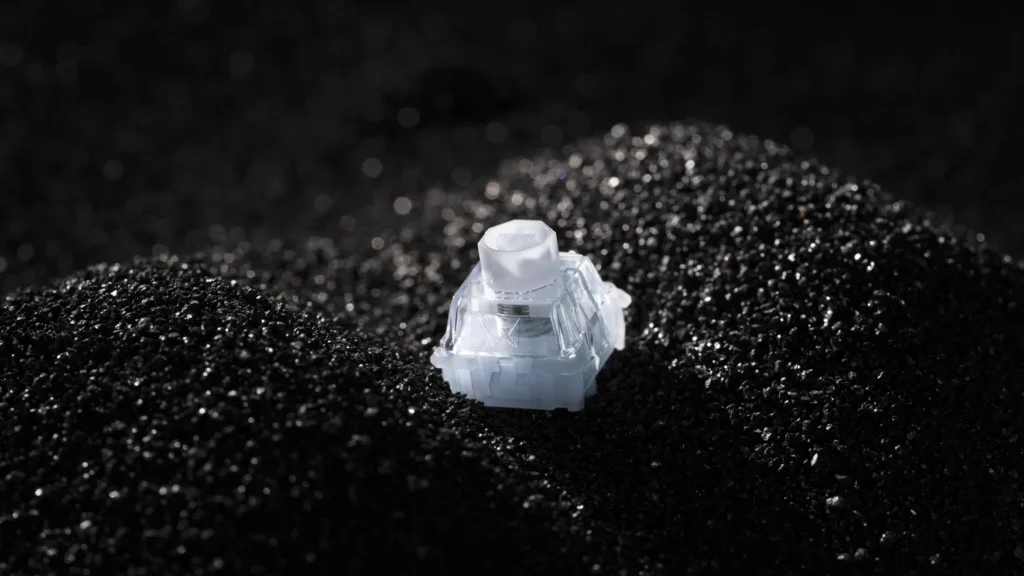
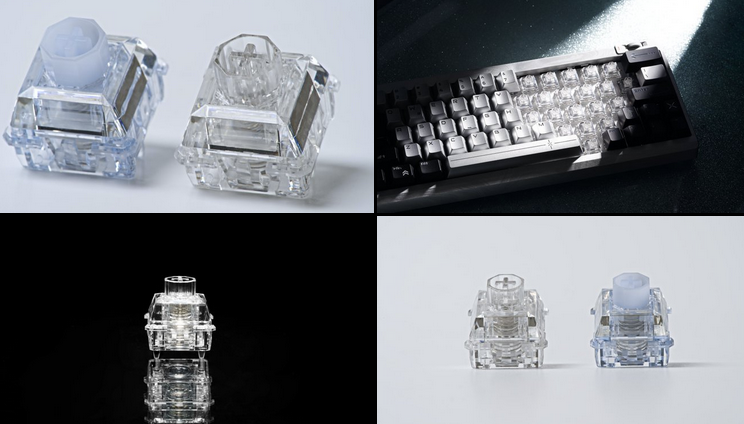
The Cullinan and Heart of the Ocean switches are part of WuQue Studio’s Diamond Series. These switches are built around a diamond-inspired design, with a focus on light transmission, clarity, stability, and a more refined Hall Effect switch structure. Cullinan is named after the “King of Diamonds,” while Heart of the Ocean takes inspiration from that deep blue, ocean-like diamond aesthetic. The entire design direction is very visual. These are switches made to look good in a keyboard, especially if your board has strong RGB, transparent elements, or a build where the lighting actually matters.
Poseidon is the one that immediately feels different. It has a much deeper sound profile, a softer bottom-out, and a more comfortable feel overall. If the Diamond Series is about clarity, precision, and a clacky-to-thocky sound profile, Poseidon is the deep thocky one. It is the one that makes you stop and go, “Okay, Hall Effect switches are getting serious now.”
The Geon Raw sits in a different place for me. I still think Geon Raw is one of the best value buys for a good Hall Effect sound profile. It may not have the same level of stability and refined feel as the newer WuQue switches, but it still sounds good and holds up well. It is the kind of switch that helped prove magnetic switches did not have to sound bad.
But why did I do this?
Hall Effect switches are no longer just competing on speed. That part of the market has already been established. We all know why people buy Hall Effect keyboards. They want faster resets, adjustable actuation, rapid trigger, and better gaming responsiveness. That is the obvious part.
What is changing now is that switch makers are starting to understand that keyboard people want more than spec-sheet performance. A switch needs to be enjoyable. It needs to feel stable. It needs to have a sound profile that fits the build. It needs to have a bottom-out that does not beat up your fingers after a long session. It needs to sound good whether you are gaming, writing, editing, or just using your keyboard like a normal person who somehow ended up with five keyboards on their desk.
That is where WuQue Studio is doing something interesting. The Diamond Series and Poseidon are not approaching Hall Effect like a pure gaming category. They feel more like switches designed by people who understand that Hall Effect keyboards are becoming daily drivers. People are not just using these boards for 20 minutes of Valorant. They are using them all day. That means feel and sound matter.
WuQue Studio Diamond Series: Cullinan and Heart of the Ocean
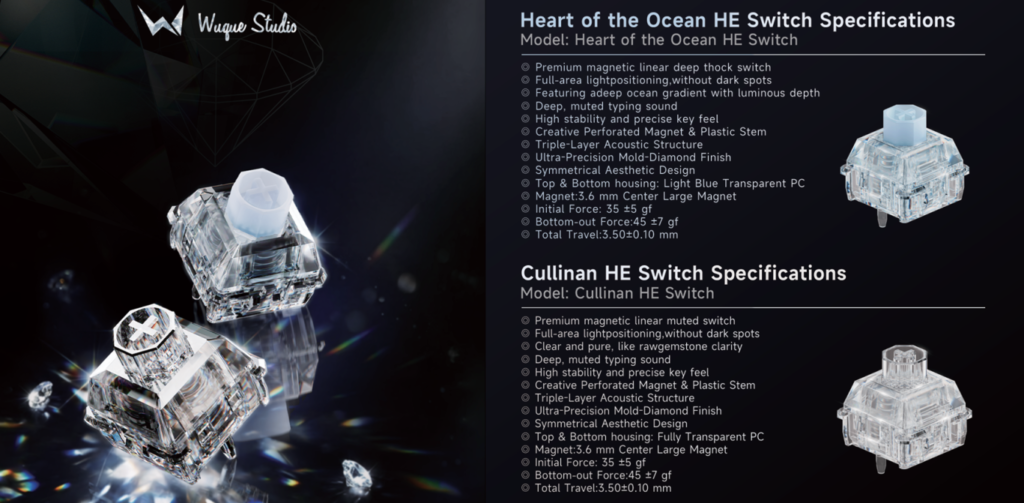
The WuQue Studio Diamond Series switches are probably the most visually interesting switches in this group. The whole “Light Shaped, Diamond Perfected” concept makes sense once you see what they are trying to do. These are high-transparency switches with a diamond-inspired structure, mirror-grade polishing, and a design meant to make RGB look better instead of just letting light pass through in the most basic way possible.
Cullinan is the brighter, more brilliant-feeling switch conceptually. It is named after the Cullinan diamond, and the design leans into that precise, faceted, polished idea. In terms of sound, it gives you a cleaner clacky to mid-range thock profile. It is not the deepest switch here, but it has a nice pop and a more articulate character.
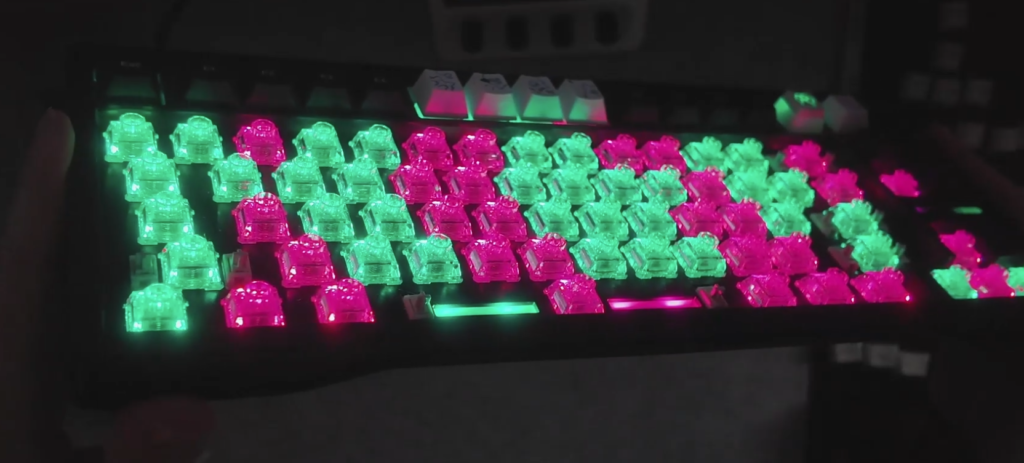
Heart of the Ocean feels like the moodier counterpart. It has that deeper blue, sea-inspired identity, and it makes sense for someone building around a cooler visual theme. It still sits in that Diamond Series sound family, so I would not call it a super deep thocky switch, but it has a pleasant profile and a very clean presentation.
What stands out most with the Diamond Series is stability. The octagonal stabilizing stem design really feels like it belongs in a Hall Effect switch. Magnetic switches need consistency because the whole point is precise actuation and predictable trigger behavior. If a switch feels wobbly or inconsistent, it undermines the entire reason you are using Hall Effect in the first place. The Diamonds feel very stable and smooth, and that gives them a premium feeling even before you get into the sound.
The tradeoff is the bottom-out. The Diamond switches sound good, but the physical bottom-out is firmer and harsher than Poseidon. After longer typing or gaming sessions, I can feel that sharper impact resonate back into my fingers more. It reminds me of my experience with the original Flux switches. They had great pop and a fun sound, but the harder bottom-out could become fatiguing over time.
That does not mean the Diamonds are bad. They are not. They are actually very nice. But they fit a specific preference. If you want stability, RGB brilliance, smoothness, and a clacky-to-mid-thock sound profile, they are excellent. If you want the softest and deepest Hall Effect typing feel, Poseidon is the better match.
WuQue Studio Poseidon: The One That Feels on Another Level
The Poseidons are on another level for me.
So far, they are easily my favorite Hall Effect switch in both feel and sound profile. They have a softer bottom-out, a much deeper resonance, and a really pleasant typing feel overall. This is probably the closest I have ever felt a Hall Effect switch come to that creamy linear switch experience.
That is the part that makes Poseidon special. It does not feel like a switch that is just trying to sound decent for Hall Effect. It feels like a switch that can actually compete as a sound and feel choice. The bottom-out is softer, the resonance is deeper, and the typing experience feels more natural to me. It does not have that same sharp finger impact that I noticed from the Diamond Series in this build.
Poseidon is the super thocky profile in this comparison. It has the deeper tone and the softer landing that I have wanted from Hall Effect switches for a long time. A lot of magnetic switches can feel smooth, but smoothness alone does not make a switch enjoyable. The bottom-out matters. The resonance matters. The way the sound travels through the board matters. Poseidon gets that balance right in a way that most Hall Effect switches have not.
When I paired the Poseidons with the TenZ FR plate and the PCR/plastic case, that became the most pleasing combination for me. It gave the sound more depth without making it messy, and it gave the typing feel more softness without feeling mushy. That combination gave me the sound and feel I have been chasing from Hall Effect.
Geon Raw: Still the Best Value Buy for Sound Profile
The Geon Raw still deserves a lot of respect. I think it is the best value buy here if your main focus is getting a good Hall Effect sound profile without chasing the newest or most refined option.
Geon Raw has been one of the OG good Hall Effect switches. It helped set the bar for magnetic switches that did not sound awful, and it still holds up. It has a good sound profile, a satisfying enough feel, and a price-to-performance position that makes a lot of sense for people who want to improve their Hall Effect keyboard without overthinking every tiny detail.
Where Geon Raw starts to fall behind is in the total package. The new Diamond switches and Poseidons feel more refined. The stability on the Diamond Series and Poseidon is better. The sound profiles feel more intentional. The Diamonds give you that clacky-to-thocky range with excellent stability and design, while Poseidon gives you the deeper, softer, super thocky sound profile with a more comfortable bottom-out.
So I do not think Geon Raw is bad now. It is still good. I just think it has moved into a different role. It is the value pick. It is the smart buy if you want good sound without paying for every new refinement. But if you are chasing the best overall feel, stability, and sound character, the WuQue switches are clearly pushing past it.
My TenZ Testing: Plastic Case, No Foams, Better Sound

One of the biggest surprises in this test was how much the TenZ setup changed the result.
I removed all the foams from my TenZ and tested the switches with both the zinc alloy case and the plastic case the TenZ comes with. For me, the best outcome was no foams with the plastic case.
The zinc alloy case created too much reverb. It had weight and resonance, but in this specific setup, that extra resonance worked against the sound. It became too reflective and too lively in a way that pulled attention away from the switch itself. A heavier case can feel more premium, but that does not automatically mean it sounds better.
The foams caused the opposite problem. They muted the sound too much and gave it this scratchy, compressed character that I did not like. Foam can be useful in some builds, but here it felt like it was taking away the natural depth and openness of the switches. With Poseidon especially, I wanted the switch to breathe. The foam made the sound feel more restrained and less satisfying.
The plastic case with no foams ended up giving me the best balance. It controlled the sound better than the zinc alloy case, but it did not over-mute the switches like the foam did. With the Poseidons, that setup gave me the depth, softness, and resonance I was looking for. It let the switch sound full without turning the keyboard into a reverb chamber.
Right now, the most pleasing combination for me is the Poseidons with the TenZ FR plate, PCR/plastic case, and no foams.
Pros and Cons: WuQue Studio Poseidon
Pros
- Best overall feel and sound profile in this comparison for my personal taste.
- Softer bottom-out than the Diamond Series in this TenZ setup.
- Deeper, fuller, more satisfying resonance.
- Super thocky profile without sounding muddy.
- Closest I have felt a Hall Effect switch come to a creamy linear mechanical switch experience.
- Pleasant enough for all-day typing, not just gaming.
- Pairs extremely well with the TenZ FR plate, plastic/PCR case, and no foams.
- Smooth, stable, and refined feel.
Cons
- May be too deep or soft for people who prefer a brighter clacky sound.
- Sound depends heavily on the keyboard, plate, case, and foam setup.
- Could become too boomy in a case with too much resonance.
- Not the cheapest value option compared to Geon Raw.
Pros and Cons: WuQue Studio Diamond Series Cullinan
Pros
- Clean clacky to mid-range thock sound profile.
- Nice pop and sharper sound character.
- Excellent for RGB-focused builds.
- High-transparency design looks more premium than a basic clear switch.
- Diamond-inspired structure gives it a unique visual identity.
- Octagonal stabilizing stem gives it a very stable feel.
- Smooth and controlled stem movement.
- Strong choice for people who want a more articulate Hall Effect sound.
Cons
- Bottom-out feels harsher than Poseidon.
- TenZ FR plate makes the sharper bottom-out more noticeable.
- Physical impact can become fatiguing during longer typing or gaming sessions.
- Not the best option for people chasing the softest or deepest Hall Effect sound.
- Sound is good, but Poseidon feels more impressive overall for comfort and depth.
Pros and Cons: WuQue Studio Diamond Series Heart of the Ocean
Pros
- Strong visual identity for blue, ocean-themed, transparent, or RGB-heavy builds.
- Smooth and stable Diamond Series feel.
- Nice clacky to mid-thock sound profile.
- High-transparency materials work well with lighting-focused keyboards.
- Polished structure gives it a premium look.
- Octagonal stabilizing stem helps with consistency and refinement.
- Makes Hall Effect builds feel more visually intentional.
Cons
- Firmer bottom-out than I personally prefer.
- Does not have the same deep, soft, super-thocky profile as Poseidon.
- Harder impact can resonate into your fingers during longer use.
- May appeal more for aesthetics and stability than pure typing comfort.
- If RGB and Diamond Series design are not a priority, Poseidon is stronger for sound and feel.
Pros and Cons: Geon Raw
Pros
- Best value buy for a good Hall Effect sound profile in this group.
- One of the OG magnetic switches that actually sounded good.
- Still holds up well even against newer switches.
- Strong option for people who want better Hall Effect sound without chasing the newest premium switch.
- Good balance of sound and feel for the money.
- Smart buy if value matters more than having the most refined switch.
Cons
- Stability and refinement do not feel as impressive as the newer WuQue switches.
- Does not have the Diamond Series’ visual design or RGB-focused structure.
- Does not have Poseidon’s deep, soft, super-thocky profile.
- Feels more like the value pick now than the top performer.
- If you want the best combination of sound, feel, and stability, the Diamond Series and Poseidon move past it.
Which One Would I Pick?
If I were picking purely based on value, I would still look hard at Geon Raw. It is the best value buy for sound profile in this group, and I think a lot of people would be happy with it if they want an affordable path to better Hall Effect sound.
If I were building around RGB, aesthetics, stability, and a clacky-to-mid-thock sound profile, I would look at the Diamond Series. Cullinan and Heart of the Ocean are both very cool switches, and the stability is genuinely impressive. They feel smooth, they look beautiful, and they make sense for a build where the switch design is part of the visual identity.
If I were picking the switch I actually want to use the most, it is Poseidon.
Poseidon has the sound and feel I have been waiting for from Hall Effect. It is softer, deeper, more comfortable, and more satisfying to type on. It feels less like a performance compromise and more like a real keyboard switch that happens to also give you the benefits of Hall Effect.
Final Thoughts
Affiliate link: https://shop.wuquestudio.com/r?id=pg8agc
This comparison really shows how far Hall Effect switches have come. Geon Raw still has a place because it remains a great value option for sound profile, and I do not want to take away from what it has done for the category. It is still good, and for many people, it may still be the smartest buy.
But the WuQue Studio Diamond Series and Poseidon switches feel like the next step. The Diamonds bring a level of stability, smoothness, and visual design that makes them feel premium and intentional. They have a great clacky to mid-range thock sound profile, and if you are building around RGB, they make a lot of sense.
Poseidon is the one that truly impressed me. It has the softer bottom-out, the deeper resonance, and the closest feel I have had so far to a creamy linear switch in the Hall Effect space. It is the switch that made me feel like Hall Effect is finally getting past the point of being “fast but compromised” and into the place where sound, feel, and performance can all exist together.
For my setup, the best result was Poseidon in the TenZ with the FR plate, PCR/plastic case, and no foams. The zinc alloy case created too much reverb, and the foams muted the sound in a way I did not like. The plastic case with no foams gave me the best balance of depth, softness, and resonance.
So yes, Geon Raw is still the value king for sound profile.
But Poseidon is the one I would actually want in my board.